
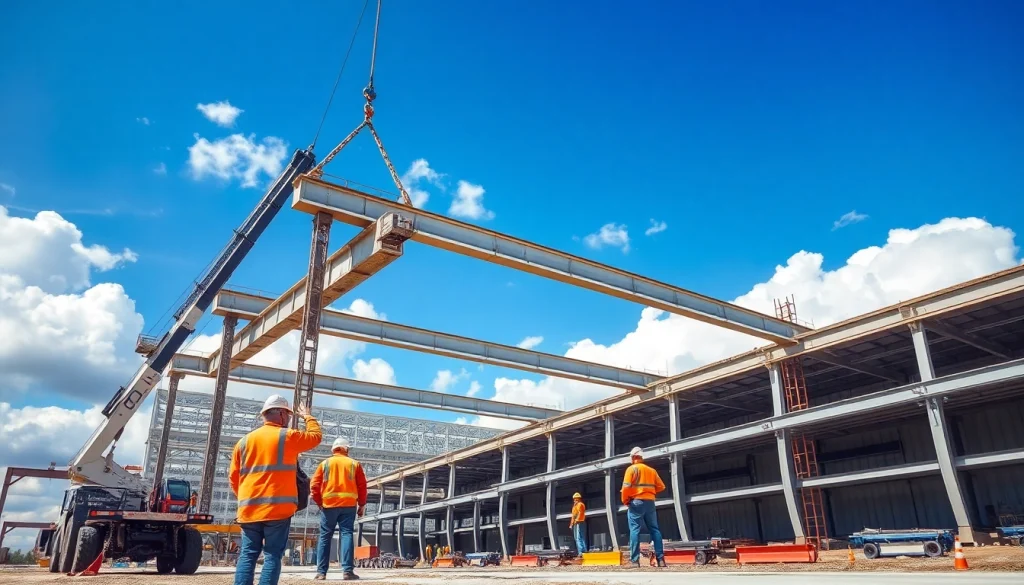

Understanding Structural Steel Installation
What is Structural Steel Installation?
Structural steel installation is a critical aspect of the construction industry, involving the assembly of various steel components into a framework that forms the skeleton of buildings and other structures. This involves a range of activities from design and production to the actual on-site erection of the steel framework. The process typically requires skilled labor and well-coordinated logistics to ensure precision and safety. The integration of structural steel installation in various construction projects results in enhanced strength, durability, and resilience of the structures.
Key Components of Structural Steel
Structural steel consists of a variety of components that serve different functions in a building’s frame. The main elements include:
- Beams: Horizontal supports that carry loads from the roof or floors.
- Columns: Vertical elements that transfer loads from beams to the foundation.
- Braces: Diagonal members that provide stability and resist lateral forces.
- Connections: Bolts and welds that join different elements together, ensuring structural integrity.
A well-designed structural steel framework is critical for supporting loads and resisting environmental forces such as wind and seismic activity.
Benefits of Using Structural Steel in Construction
The use of structural steel in construction offers numerous advantages, making it a popular choice among builders and architects:
- Strength-to-Weight Ratio: Structural steel has a high strength-to-weight ratio, enabling the construction of taller buildings without excessively increasing the weight.
- Durability: Steel is resistant to many environmental factors, thus having a long lifespan when properly maintained.
- Speed of Construction: Prefabrication of steel components allows for quicker assembly on-site, significantly reducing construction time.
- Flexibility in Design: Steel can be molded and shaped into a variety of designs, accommodating the most creative architectural visions.
- Cost-Effectiveness: Once fabricated, installation costs are relatively low compared to other materials, owing to less time spent on-site.
Preparation for Structural Steel Installation
Site Assessment and Planning
Before commencing with structural steel installation, a thorough site assessment and planning process are essential. This involves:
- Conducting soil tests to determine load-bearing capacities.
- Designing the layout based on architectural plans and structural requirements.
- Identifying any potential obstacles or risks that could affect the installation process.
- Coordinating with local authorities for necessary permits and compliance with safety regulations.
Required Tools and Equipment
A successful structural steel installation requires specialized tools and equipment. Key tools include:
- Cranes: For lifting and positioning heavy steel components.
- Forklifts: Used to transport materials around the site.
- Welding Machines: For joining steel structures when bolting is insufficient.
- Safety Gear: Personal protective equipment (PPE) including helmets, harnesses, gloves, and steel-toed boots.
Safety Considerations During Installation
Safety is paramount in structural steel installation due to the potential hazards involved. Key safety practices include:
- Conducting regular safety meetings and training sessions for workers.
- Utilizing fall protection systems when working at heights.
- Establishing clear communication channels among crew members to alert regarding impending hazards.
- Regularly inspecting equipment to ensure its proper functioning.
Step-by-Step Process of Structural Steel Installation
Initial Erection Phase
The initial phase of erection involves preparing the foundation and setting the first structural elements in place. Steps include:
- Foundation Preparation: Ensure that the foundation is level and ready to receive the steel components.
- Column Erection: Install columns using cranes, ensuring that they are plumb and secured with temporary bracing.
- Installing Base Plates: Ensure base plates are correctly aligned to transfer loads effectively.
Column and Beam Placement Techniques
Once the columns are in place, beams are installed as follows:
- Beam Placement: Use cranes to lift beams into position, ensuring that they are aligned with the columns.
- Connecting Beams to Columns: Secure beams using bolts and/or welds, following the engineering specifications.
- Bracing Installation: Add diagonal braces to provide additional stability to the framework.
Final Adjustments and Inspection
After the primary framework is established, final adjustments are made to ensure everything is set correctly:
- Alignment Checks: Perform checks on the frame’s horizontal and vertical lines to ensure accuracy.
- Load Testing: Conduct load tests to ensure the structure can handle expected loads.
- Inspection: Have a designated inspector review the work to ensure compliance with safety standards and local codes.
Best Practices for Efficient Steel Installation
Quality Control Measures
In structural steel installation, quality control is essential to guarantee structural integrity and adherence to engineering specifications. Best practices include:
- Establish clear standards for workmanship and materials used.
- Implement a rigorous inspection schedule before, during, and after installation.
- Document all procedures and any deviations from original plans to ensure accountability.
Team Coordination and Communication
A well-coordinated team is vital for successful steel installation. Effective communication practices involve:
- Daily huddle meetings to discuss plans, goals, and potential issues.
- Clear assignment of roles and responsibilities to prevent overlap and confusion.
- Use of communication tools such as radios or mobile apps to ensure all team members can relay messages swiftly.
Using Technology in Steel Fabrication
The integration of technology can significantly enhance the efficiency of steel installation. Recommended technologies include:
- Building Information Modeling (BIM): To create accurate models of the steel structure, facilitating better planning and coordination.
- Drones: For site surveys and inspections, providing real-time data on progress and any issues.
- Software Tools: For project management and resource allocation, ensuring that deadlines are met without compromising quality.
Common Challenges in Structural Steel Installation
Weather-Related Issues
Weather can severely impact structural steel installation, posing risks to safety and scheduling. Common challenges include:
- High Winds: May prevent crane operations, leading to delays.
- Rain and Snow: Can create unsafe working conditions and lead to material damage.
Best practices to mitigate these challenges include constant monitoring of weather forecasts and having contingency plans in place.
Supply Chain and Material Delays
Delays in the delivery of materials can disrupt schedules and increase costs. Solutions include:
- Establishing relationships with multiple suppliers to ensure flexibility.
- Ordering materials well in advance based on project timelines and potential delays.
Addressing Design Changes During Execution
Changes in design can arise from various reasons, leading to challenges in execution. Effective strategies to address these include:
- Implementing a robust change management process to evaluate and integrate design modifications.
- Communicating changes to all team members immediately to avoid previous agreements causing conflicts.