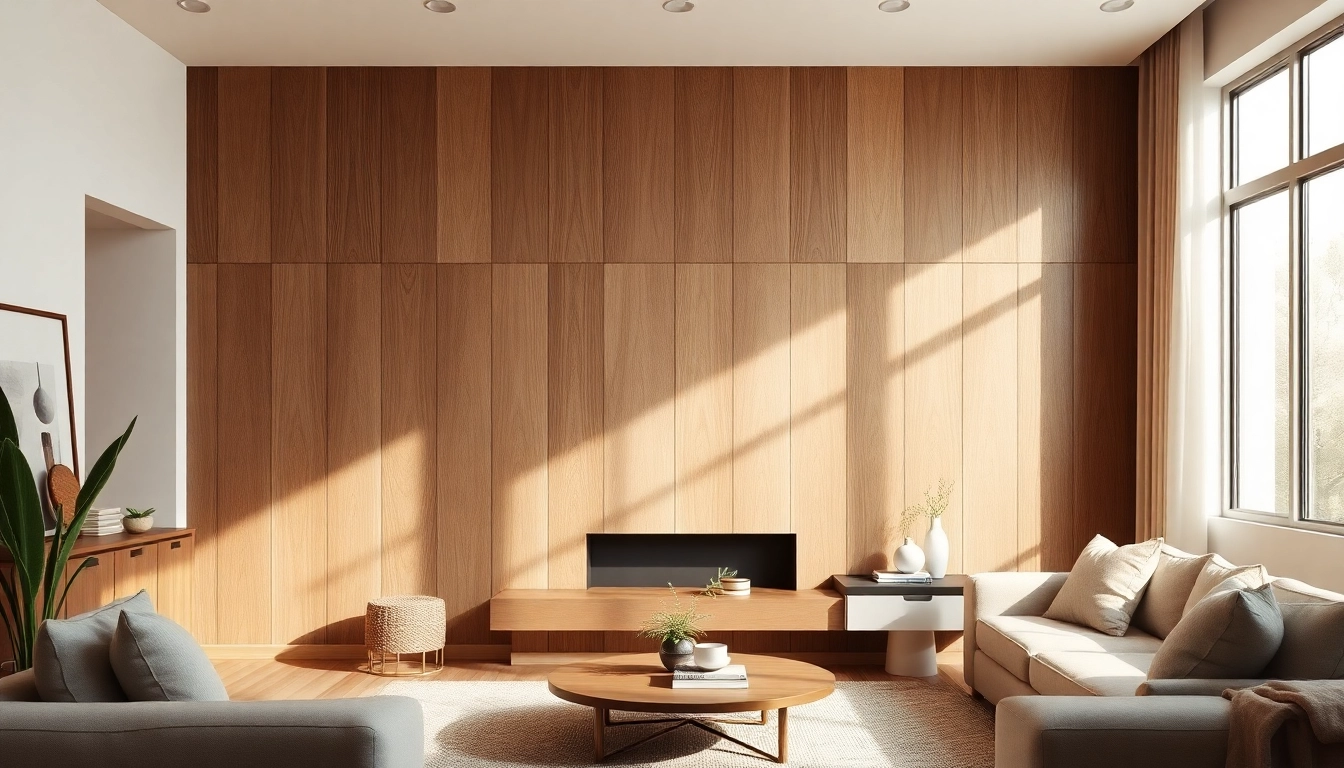

Introduction to Wood Panel
Wood paneling has emerged as a popular choice for both homeowners and commercial designers seeking to add sophistication and warmth to their interiors. This versatile material not only enhances aesthetics but also provides functional benefits. With a range of options available, understanding the nuances of wood paneling is crucial for making informed choices. In this article, we will explore everything there is to know about wood panel, its types, installation, maintenance, and the latest trends to help you elevate your interior spaces.
What is Wood Panel?
Wood paneling refers to the application of wood pieces to interior walls, ceilings, and even furniture. These panels can be solid wood or engineered wood products, varying in thickness, style, and finish. The primary intent behind installing wood paneling is to add character, warmth, and a natural aesthetic to a space. Historically, wood panels were used for insulation and protection; today, they serve both functional and decorative purposes. They can be installed horizontally, vertically, or in creative layouts, making them a favorite among interior designers.
Types of Wood Panel Available
When considering wood panels, it is essential to understand the different types that can suit various needs and preferences:
- Solid Wood Panels: Made from natural wood, these panels boast durability and aesthetic appeal. They can be sanded and refinished, allowing for longevity.
- Engineered Wood Panels: Composed of layers of wood veneer bonded together, engineereed panels are stable and often resistant to warping.
- Veneer Panels: Thin layers of wood applied over a substrate, veneer panels offer the look of solid wood at a fraction of the cost.
- Acoustic Panels: Designed to absorb sound, these panels are ideal for spaces that require sound management, like offices and recording studios.
- Plywood Panels: Versatile and cost-effective, plywood panels can be used in various applications from structural elements to decorative accents.
Benefits of Using Wood Panel in Interiors
Choosing wood paneling for your interior brings with it a host of benefits. Here are some of the key advantages:
- Enhances Aesthetic Value: Wood panels provide an organic and timeless appeal that can complement various design styles, from rustic to modern.
- Improved Insulation: Wood inherently possesses thermal insulation properties, helping to maintain temperature and reduce energy costs.
- Sound Absorption: Wood panels can help absorb sound, making them beneficial for creating a quieter environment.
- Easy Installation: Many wall panel systems are designed for straightforward installation, making them a popular choice for DIY enthusiasts.
- Environmentally Friendly: When sourced from sustainable forests, wood panels can be an eco-friendly option that contributes to green building practices.
Choosing the Right Wood Panel for Your Project
Assessing Your Design Needs
Before investing in wood paneling, it’s essential to assess your specific design needs. Factors to consider include the overall style of your space, the purpose of the room, and the desired qualities of the wood panel. For instance, if you’re looking to create a cozy living room, opting for a rich, deep-colored wood might enhance the atmosphere. Conversely, lighter wood panels can open up a space, making it appear larger and more airy. Crafting a cohesive design incorporating wood panels requires thoughtful planning and a clear vision.
Considering Thickness and Texture
The thickness and texture of wood panels significantly impact both aesthetics and functionality. Thicker panels tend to be more durable and insulative. On the other hand, textured panels can add visual interest and depth to your design. Smooth panels create a sleek, modern look, while rough, textured finishes can embody a rustic charm. Assess how these elements align with your overall design strategy and practical requirements.
Environmental Impact and Sustainability
In today’s environmentally conscious world, sustainability is a critical consideration in the selection of materials. Look for wood panels that are certified by recognized sustainable forestry certifications, which ensure that the wood is sourced responsibly. Additionally, consider using reclaimed wood panels, which not only contribute to sustainability but also offer a unique, aged character. By choosing environmentally friendly options, you can enhance your interior while minimizing your environmental footprint.
Installation Tips for Wood Panel
Tools Required for Installation
If you’re planning to install wood panels, you’ll need some essential tools to ensure a smooth process:
- Measuring tape
- Level
- Stud finder
- Circular saw or miter saw
- Nail gun or hammer
- Construction adhesive (optional)
- Safety gear (gloves, goggles)
Step-by-Step Installation Guide
Follow this step-by-step guide for a successful wood panel installation:
- Prepare the Surface: Ensure that the wall surface is clean, dry, and free of any damage.
- Plan Your Layout: Use your measurements to design a layout that suits your style. This might involve vertical or horizontal paneling.
- Find the Studs: Use a stud finder to locate wall studs, marking their locations for secure panel attachment.
- Cut Panels to Size: Use a circular saw to cut the panels to the desired length.
- Attach Panels: Secure the first panel using a nail gun or hammer, placing nails in the studs for solid support. Repeat this process for all panels.
- Finishing Touches: Use caulk or trim to hide any gaps and provide a seamless look.
Common Mistakes to Avoid
To ensure the best results when installing wood panels, avoid these common mistakes:
- Skipping Preparation: Failing to prep the wall can lead to poor adhesion and uneven installation.
- Inaccurate Measurements: Always double-check your measurements to avoid wastage and ensure a proper fit.
- Ignoring Acclimatization: Wood should acclimate to room temperature and humidity before installation to prevent warping.
Maintaining Your Wood Panel
Cleaning Your Wood Panel
Regular cleaning is essential for maintaining the beauty and longevity of your wood panels. Dust them frequently using a soft cloth or microfiber duster to prevent buildup. For deeper cleaning, use a damp cloth with mild soap, and avoid abrasive cleaners that can scratch the surface. Always dry the panels immediately after cleaning to prevent moisture from causing damage.
Repairing Damages and Scratches
Over time, wood panels may sustain scratches or other damages. Minor scratches can often be repaired with a wood filler that matches the panel’s color, followed by sanding and refinishing as necessary. For more significant damage, replacing the affected sections of panels may be required. Keeping a few extra panels on hand can simplify this process.
Longevity and Preservation Techniques
To prolong the life of your wood panels, consider applying a protective finish or sealant. These can help prevent moisture damage and fading due to sunlight. Additionally, maintain consistent indoor humidity levels, as extreme fluctuations can cause wood to warp or crack. Regular inspections will help catch any issues early before they escalate.
Trends and Innovations in Wood Panel Design
Modern Styles and Applications
Today’s wood panel designs are increasingly modern, with innovative approaches that combine aesthetic appeal with functionality. Popular choices include slatted panels that create a minimalist look, as well as layered and textured designs that offer depth and visual interest. These styles can be adapted to various spaces, including residential and commercial environments, to create unique atmospheres.
Use in Commercial Spaces
Commercial spaces are embracing wood panels for their versatility and design potential. Wood panels can be used to create focal points, enhance branding, or improve acoustics in busy environments. The natural warmth of wood can help soften the often stark appearance of commercial interiors, creating a welcoming atmosphere for clients or customers.
Future Trends in Wood Panel Designs
Looking ahead, trends in wood panel design are likely to focus on sustainability and innovation. Expect to see more use of reclaimed, recycled, and sustainable materials in panel manufacturing. Additionally, technological advancements may lead to new finishes and styles, making wood paneling an even more attractive option for modern interiors.
FAQs
What is the cheapest way to panel a wall?
The cheapest way to panel a wall is often through options like plywood or MDF. These materials typically cost less compared to solid hardwood, making them budget-friendly alternatives.
Is wood paneling cheap?
The cost of wood paneling varies widely, typically ranging from $1 to $40 per square foot depending on the material. Budget options like pine or MDF are on the lower end of the spectrum.
Are wood panels still in style?
Yes, wood panels are experiencing a resurgence, with modern designs that incorporate biophilic elements and sustainability, appealing to contemporary tastes.
How can I clean my wood panels?
Wood panels can be cleaned using a soft cloth or a gentle cleaning solution. Avoid harsh chemicals that may damage the finish, and always dry the panels promptly.
What should I do if my wood panel gets scratched?
If your wood panel gets scratched, you can use a wood filler to match the color, then sand and refinish as necessary to blend the repair seamlessly.