
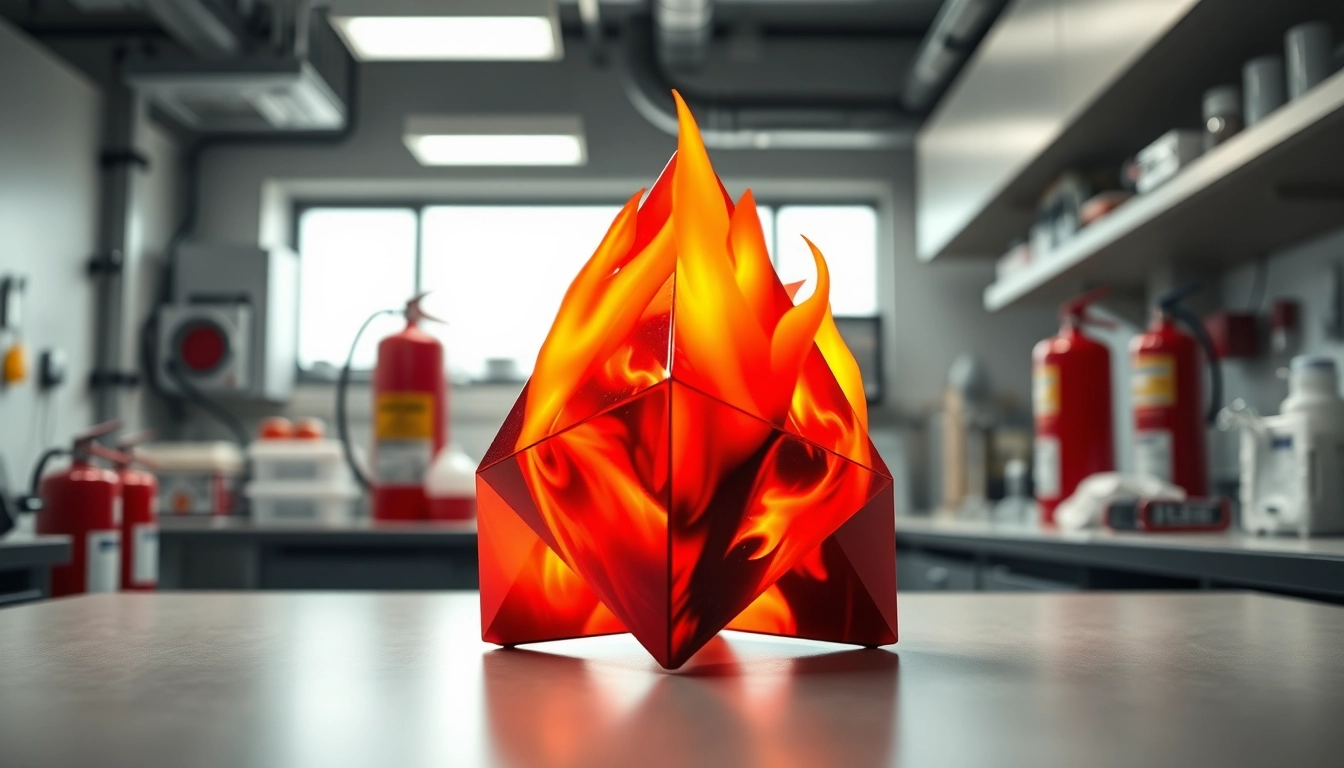
Introduction to the Fire Tetrahedron
The science of fire is both complex and fascinating, encompassing the fundamental principles of combustion and the measures necessary to control it. Central to understanding fire is the concept of the fire tetrahedron, which expands upon the more commonly known fire triangle by adding a fourth element vital for combustion. In this article, we will delve into the intricacies of the fire tetrahedron, exploring its components, significance in fire safety education, and practical applications in everyday life and emergency preparedness.
What is the Fire Tetrahedron?
The fire tetrahedron is a model that depicts the four essential elements necessary for fire to occur: fuel, heat, oxygen, and a chemical chain reaction. This four-sided representation underscores that eliminating any one of these components can extinguish a fire. The tetrahedron expands upon the traditional fire triangle—which includes fuel, heat, and oxygen—by adding the chain reaction element. This additional component illustrates the complexity of combustion processes and helps in the understanding of fire behavior in various environments.
The Four Elements of Fire
The four elements of the fire tetrahedron are:
- Fuel: Any combustible material, including solids, liquids, and gases.
- Heat: The energy source necessary to raise the material to its ignition temperature.
- Oxygen: Vital for sustaining combustion, typically sourced from the surrounding air.
- Chemical Chain Reaction: A self-sustaining process that continues to produce new radicals, keeping the fire burning.
Importance in Fire Safety Education
Understanding the fire tetrahedron is critical in educating individuals about fire prevention and safety measures. By recognizing how each component contributes to the overall fire behavior, individuals can apply this knowledge in practical settings. Fire safety education lessons often focus on how to eliminate one of the tetrahedron’s components to prevent fires, such as practicing proper storage of flammable materials, ensuring electrical systems are not overloaded, and maintaining adequate ventilation.
Components of the Fire Tetrahedron Explained
Fuel: Types and Examples
Fuel is any substance that can combust, evolving into vapor and igniting when heated. A myriad of substances can act as fuel, including:
- Solids: Wood, paper, plastics, and textiles.
- Liquids: Gasoline, alcohol, solvents, and oils.
- Gases: Propane, natural gas, and hydrogen.
Each fuel type has unique characteristics affecting its combustibility, ignition temperatures, and burning behaviors, making it essential to understand the fuel involved when encountering or preventing fire scenarios.
Heat: Sources and Effects
Heat can originate from various sources and is an essential component for igniting fuel. Common sources of heat include:
- Open Flames: Matches, lighters, candles, or any other exposed flame.
- Electrical Equipment: Overloaded circuits, electrical sparks, or faulty wiring.
- Friction: Grinding machines or tools that generate heat through friction can ignite adjacent materials.
Heat not only helps in igniting fuel but also drives the chemical reactions that sustain fire, making the control of heat sources an essential aspect of fire prevention.
Oxygen: Role in Fire Behavior
Oxygen is necessary for combustion, typically available in the air we breathe, which consists of approximately 21% oxygen. A fire cannot sustain itself without sufficient oxygen. The role of oxygen in fire behavior is characterized by:
- Oxygen Level Effects: Lower oxygen levels can smother flames, while higher levels can intensify fires.
- Rapid Combustion: In an oxygen-rich environment, fuels combust rapidly, leading to intense fires.
Understanding the role of oxygen informs both firefighters and safety engineers on how to mitigate fire risks, such as through ventilation and the removal of oxygen sources during fires.
Real-World Applications of the Fire Tetrahedron
Fire Safety in Homes
Home safety is paramount, as domestic fires can escalate quickly. Implementing strategies based on the fire tetrahedron helps reduce risks. Effective techniques include:
- Education: Training family members on fire safety and the components of the fire tetrahedron.
- Regular Inspections: Checking smoke detectors and fire extinguishers to ensure they are operational.
- Storage Practices: Safely storing flammable materials away from heat sources.
By educating households on these principles, families can dramatically mitigate their risk of experiencing a fire in their home.
Industrial Fire Prevention Strategies
Industrial environments present unique fire risks due to the presence of various fuels, heat sources, and chemical reactions. Implementing the fire tetrahedron helps in forming comprehensive fire prevention strategies:
- Hazard Identification: Conducting fire risk assessments to identify potential ignition sources and fuels.
- Safe Handling Procedures: Establishing protocols for the safe use and storage of combustible materials.
- Emergency Readiness: Training employees in fire response and evacuation plans.
Adhering to these strategies not only protects employees but also safeguards assets and operational continuity.
Emergency Response Planning
In an emergency, a quick and informed response is critical. Utilizing the fire tetrahedron in emergency response planning enables organizations to:
- Assess Risks: Use the tetrahedron model to evaluate potential fire scenarios and establish response protocols.
- Develop Checklists: Create quick-reference guides outlining actions to remove one of the tetrahedron components in the event of a fire.
- Conduct Drills: Regularly practice evacuation and fire response drills, reinforcing knowledge about fire behavior.
Emergency response planning rooted in the understanding of the fire tetrahedron can save lives and minimize damage during an actual fire incident.
Common Misconceptions About Fire Tetrahedron
Myths Surrounding Fire Safety
Several myths and misconceptions surround fire safety and the fire tetrahedron itself. Understanding these can empower individuals to act correctly in emergencies. Common myths include:
- “Spraying water always puts out a fire.” While water is effective for some fires, it can exacerbate chemical and electrical fires.
- “All fires need the same approach to extinguish.” Different fires require specific methods based on their fuel types and conditions.
- “Fire alarms are only necessary in commercial buildings.” Smoke detectors are essential in all dwellings, affording early warning to home occupants.
Clarifying Misunderstood Concepts
Many people misunderstand the importance of each element within the fire tetrahedron. For instance:
- Many believe that simply extinguishing flames is sufficient to stop a fire, neglecting the importance of removing the heat or fuel.
- There is a misconception that oxygen is only a concern during fires; however, controlling oxygen sources is crucial in preventing fires.
Disseminating accurate information about these components can foster better preparedness and response to fire hazards.
Scientific Evidence Vs. Popular Beliefs
The disparity between scientific understanding of fire behavior and popular beliefs can lead to dangerous ignorance. For example, the belief that fire doors do not need to be closed during non-working hours is contrary to fire safety standards. Scientific evidence supports the need for fire doors to remain closed, preventing the spread of flames and toxic gases. It’s essential for fire education programs to bridge this gap, creating a well-informed public that recognizes the real dangers posed by fire.
Implementing Fire Safety Strategies in Daily Life
Creating a Fire Safety Plan
Creating a robust fire safety plan is fundamental to ensuring safety in both residential and commercial settings. A thorough plan should include:
- Risk Assessment: Identify potential fire hazards based on the fire tetrahedron.
- Escape Routes: Design clear, well-marked escape routes and ensure all occupants are aware of them.
- Meeting Points: Designate safe meeting points outside the building for occupants post-evacuation.
- Regular Reviews: Periodically review and update your fire safety plan based on any changes in the environment or potential risks.
Using the Fire Tetrahedron for Training
Utilizing the fire tetrahedron as a training tool allows for a comprehensive understanding of fire dynamics. Effective training sessions might include:
- Case Studies: Analyze real-life emergencies and evaluate how the fire tetrahedron applies to those incidents.
- Hands-On Exercises: Simulate fire scenarios and encourage participants to identify each component of the tetrahedron in action.
- Prevention Strategies: Train on methods to eliminate one or more components to prevent potential fires.
Measuring Effectiveness of Fire Safety Measures
Measuring the effectiveness of fire safety measures allows organizations and households to assess their preparedness. Key metrics include:
- Incident Reports: Analyzing past incidents to determine areas for improvement.
- Drill Performance: Evaluating the speed and effectiveness of evacuation drills.
- Training Engagement: Assessing employee or household member understanding and engagement in fire safety training.
Implementing review mechanisms ensures that fire safety measures remain effective over time, adapting to new challenges and risks that may arise.