
1. Introduction to Bathroom Mirror with LED Light
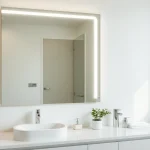
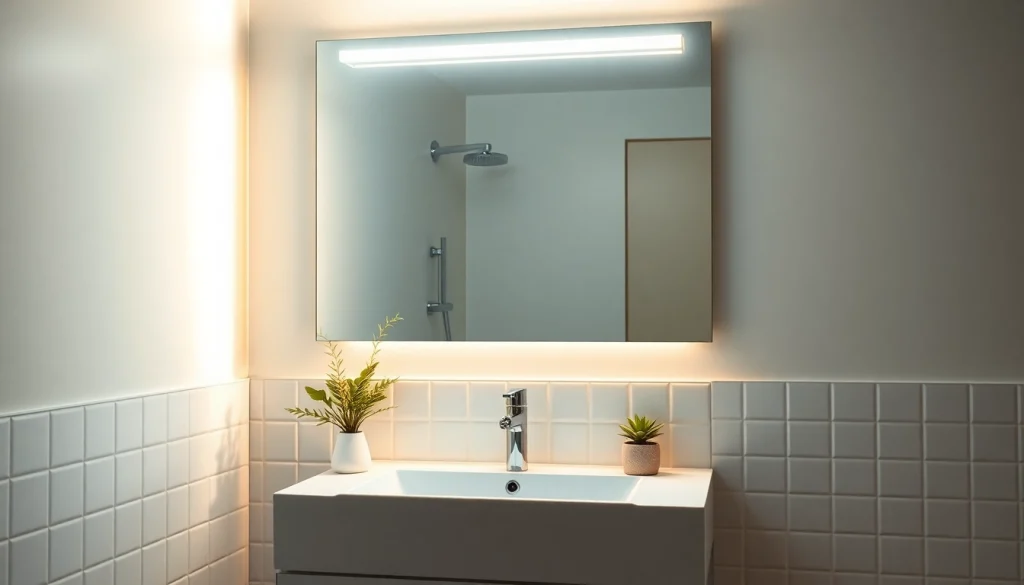
In the modern bathroom, functionality and aesthetics go hand in hand. A bathroom mirror with led light is more than just a reflective surface; it serves as a centerpiece that combines style with practical lighting solutions. This article explores the many facets of bathroom mirrors equipped with LED lights and how they enhance both the utility and design of bathroom spaces.
1.1 Benefits of LED Lighting
LED lighting boasts numerous benefits, making it a preferred choice for bathroom mirrors. Firstly, LEDs are energy-efficient, consuming up to 75% less energy than traditional incandescent bulbs. This significant reduction in energy use translates into lower electricity bills and a smaller carbon footprint, aligning with modern sustainability goals. Secondly, LED lights have a longer lifespan, often lasting 25,000 hours or more, which means fewer bulb replacements.
Moreover, the light emitted by LED technology is often more natural and vibrant, enhancing visibility while applying makeup or grooming. This results in an improved and consistent lighting experience, minimizing shadows and ensuring true color representation. Furthermore, LED lights come in various color temperatures, enabling users to select cooler or warmer tones to suit their preferences and the overall ambiance of the bathroom.
1.2 Design Trends
The integration of LED mirrors in bathroom design is indicative of current trends focused on minimalism, functionality, and smart home innovations. Frameless designs are gaining popularity, providing a sleek and modern profile, while framed options cater to those looking to add a touch of classic elegance. Round mirrors have also surged in popularity, complementing geometric aesthetics commonly found in contemporary bathroom designs.
In addition, mirrors with adjustable brightness and color temperature controls are highly sought after. These features allow users to customize their lighting according to different tasks—bright for grooming and softer for relaxation. Integration with smart home systems—enabling voice-activated controls or syncing with music—demonstrates how mirrors with LED lights are adapting to the connected home trend.
1.3 Key Features to Consider
When choosing a bathroom mirror with LED light, several key features warrant consideration. Firstly, size is crucial; the mirror should be proportionate to the space. In smaller bathrooms, a larger mirror can create an illusion of depth and space, while a small mirror works well in compact settings.
Another feature to consider is the light’s color temperature. A temperature range of 2700K to 3000K offers a warm ambiance suitable for relaxation, while 4000K to 5000K is best for tasks requiring attention to detail, such as shaving or applying makeup. Moreover, look for mirrors that offer anti-fog technology, which provides convenience in humid environments.
2. Different Styles of Bathroom Mirrors
2.1 Frameless vs. Framed Mirrors
Choosing between frameless and framed mirrors largely depends on personal style and the overall design of the bathroom. Frameless mirrors create a seamless look, emphasizing the sleekness of the glass without additional decoration. This style is particularly effective in modern, minimalistic bathrooms. On the other hand, framed mirrors can introduce texture and character, enhancing the room’s decor.
For a modern touch, opt for a metal frame in matte black or brushed nickel, which adds a sophisticated edge. Conversely, a wooden frame can bring warmth and a rustic charm, making it perfect for more traditional or farmhouse-style bathrooms.
2.2 Round vs. Rectangular Shapes
The shape of the mirror can dramatically affect the bathroom’s aesthetics. Rectangular mirrors are versatile and help to elongate a space, making them suitable for traditional layouts. They work well above sinks and vanities, offering functionality without intruding on the floor space.
Round mirrors, however, can soften a bathroom’s appearance, contributing curves to an otherwise angular setting. Often used as statement pieces, they can also serve to balance sharp lines present in other decor elements. The choice between shapes should align with the desired vibe—whether it’s streamlined simplicity or playful elegance.
2.3 Customizable Options
Customization is a valuable feature when selecting a bathroom mirror with LED light. Some manufacturers offer mirrors designed to cater to individual preferences, such as adjustable size, shape, and lighting options. Customizable brightness, temperature settings, and even color can enhance the usability of the mirror while supporting personal style choices.
Mirrors that come equipped with smart technology, such as touch sensors, Bluetooth speakers, or integrated thermostats, are increasingly popular, allowing users to enhance their daily routines through interactive features tailored to their needs.
3. Installation and Maintenance Tips
3.1 Proper Installation Techniques
Installing a bathroom mirror with LED light requires careful consideration to ensure safety and longevity. Start by selecting a suitable location, ideally above a vanity or sink where it can be easily accessed and provide adequate lighting. Utilize a stud finder to locate wall studs for secure mounting, particularly for heavier mirrors.
Using the proper tools, such as a level and measuring tape, ensures accurate placement and alignment. If the mirror is powered by electricity, hire a professional electrician for connection, adhering to safety protocols to avoid any hazards.
3.2 Cleaning and Care
Maintaining the pristine condition of a bathroom mirror with LED light is essential for optimal functionality and visual appeal. To clean, use a gentle glass cleaner and a microfiber cloth to avoid scratching the surface. Avoid using harsh chemicals that can damage the LED housing or fixtures.
Furthermore, regular dusting and wiping of the surface and frame can prevent the buildup of grime and smudges, keeping the mirror clear and effective at reflecting light for its intended purposes.
3.3 Troubleshooting Common Issues
Common issues with LED mirrors might include flickering lights, dimming, or complete failure. These problems can often stem from electrical connections, loose wiring, or outdated bulbs. Begin by checking the power source and ensuring that all connections are secure.
If flickering persists, the LED driver may be at fault, necessitating replacement. For mirrors with a warranty, consult the manufacturer for support or replacement parts. It’s advisable to document the issue and consult documentation for specific troubleshooting steps.
4. Integrating Technology in Bathroom Mirrors
4.1 Smart Features and Connectivity
The rise of smart technology has influenced modern bathroom mirror designs, transforming standard mirrors into multifunctional devices. Smart mirrors typically include features such as integrated speakers, digital displays, and voice control, allowing users to play music or access information without needing to leave the bathroom.
Moreover, advanced connectivity options enable users to sync their mirrors with smart home systems, controlling lighting, audio, and videos through a unified interface. These features not only enhance convenience but also promote a luxurious feel in the bathroom environment.
4.2 Energy Efficiency Considerations
Energy efficiency is a significant factor to consider when choosing any lighting fixture, including bathroom mirrors. LED lights inherently consume less energy than traditional bulbs, thus contributing to reduced energy bills. Additionally, modern LED mirrors often include timers or dimming features, allowing users to optimize energy use further.
By investing in a quality LED mirror, homeowners can enjoy bright and efficient lighting while also supporting sustainable living practices. Look for ENERGY STAR-rated products to ensure maximum efficiency and performance.
4.3 Future Trends in Bathroom Lighting
As technology continues to evolve, the future of bathroom mirrors with LED light looks promising. Innovations such as customizable lighting scenarios or sensors that adjust brightness based on the time of day may redefine user interactions with mirrors. In addition, augmented reality features could eventually allow users to visualize makeup or grooming looks digitally before application.
Similarly, sustainable designs using eco-friendly materials and energy-harvesting technologies will likely become more widespread, bridging the gap between luxury and environmental responsibility in bathroom design.
5. Frequently Asked Questions
5.1 How do I choose the right size bathroom mirror with LED light?
Select a size that complements your vanity or sink unit. The mirror should ideally be 1-2 inches shorter than the vanity width for balance. Ensure it’s high enough for effective usage while avoiding obstruction with overhead fixtures.
5.2 Can I install a bathroom mirror with LED light myself?
Yes, but ensure you’re comfortable with tools and electrical work if it requires wiring. For heavy or hardwired models, consider hiring a professional for safety purposes.
5.3 What are the best LED bulbs for bathroom mirrors?
Look for LED bulbs with a color temperature of 3000K to 5000K for a balance of warmth and clarity. Opt for bulbs labeled as “daylight” for bright, clear reflections that mimic natural light.
5.4 How do I clean my bathroom mirror with LED light?
Use a soft microfiber cloth and a gentle glass cleaner. Avoid abrasive materials that can scratch the surface and ensure that no cleaner seeps into the LED housing.
5.5 Are bathroom mirrors with LED light energy efficient?
Yes, LED mirrors use significantly less energy than traditional lighting, resulting in lower electricity costs. Additionally, many feature energy-saving modes to enhance efficiency further.