Understanding Fly Fishing Boots
What are Fly Fishing Boots?
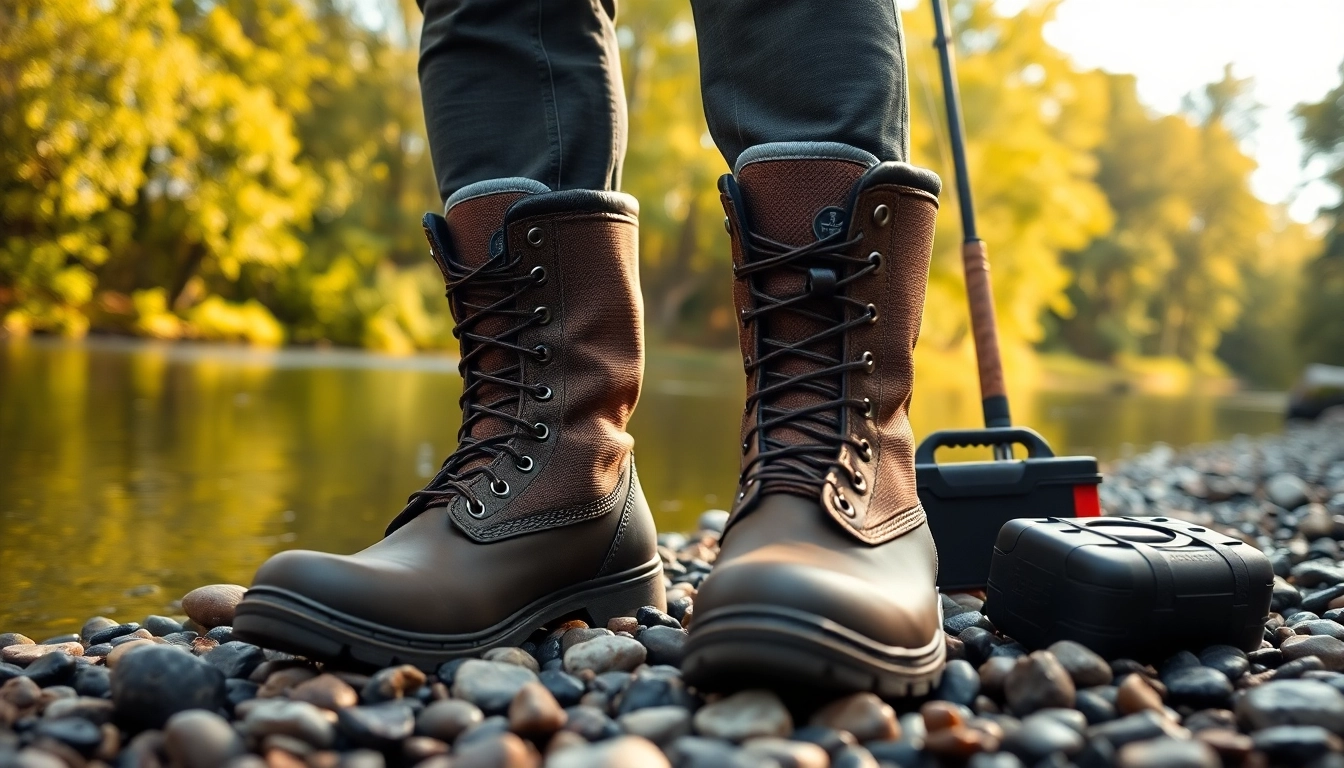
Fly fishing boots are specialized footwear designed to provide comfort, protection, and traction for anglers while wading through water during fly fishing activities. Unlike regular hiking boots or casual footwear, fly fishing boots are crafted to withstand wet environments, help navigate slippery rocks, and offer support for long hours spent standing in water. The combination of features such as waterproofing, durability, and grip makes them essential gear for both novice and seasoned fly fishers. Investing in a quality pair of fly fishing boots ensures that you can focus on the casting and catching rather than worrying about your footing or footwear discomfort.
Features to Look For
When shopping for fly fishing boots, there are several critical features to consider:
- Waterproof Material: Look for boots made from materials like neoprene or waterproof leather that keep your feet dry.
- Comfort and Fit: A snug yet comfortable fit will help prevent blisters. Consider boots with removable insoles for custom arch support.
- Durability: Since fly fishing can expose footwear to rugged conditions, select boots constructed with durable materials and reinforced stitching.
- Traction: Reliable soles with a good tread pattern are necessary to prevent slips and falls on wet, rocky surfaces. Studded options enhance grip in challenging conditions.
- Weight: Lighter boots are preferable for long walks, while heavier models may provide additional protection against sharp rocks and debris.
Why Quality Matters
The quality of your fly fishing boots can vastly impact your fishing experience. Low-quality boots may compromise comfort, leading to sore feet, blisters, and fatigue, which can cut your fishing trip short. Moreover, inferior materials can degrade faster, resulting in leaks and loss of insulation in colder waters, which could make your outings uncomfortable and dangerous. Investing in a reputable brand with a solid warranty typically ensures you're purchasing a product that's been tested in real-world conditions and comes with customer support for repairs or replacements.
Types of Fly Fishing Boots Available
Ankle vs. Knee-High Styles
Fly fishing boots come in various styles, primarily ankle and knee-high options, each offering unique benefits. Ankle boots are lightweight and permit greater freedom of movement, making them ideal for shallow water fishing and warmer weather. They are often easier to put on and take off, offering quick access for those short trips.
In contrast, knee-high boots provide enhanced protection in deep waters or muddy terrains, making them a preferred choice for serious anglers dealing with rivers and streams that may involve deeper wading. However, they tend to be heavier and can cause more fatigue if worn for extended periods.
Material Choices: Neoprene vs. Leather
When considering materials for fly fishing boots, neoprene and leather are the two leading options. Neoprene boots are often favored for their excellent insulation properties and flexibility, making them ideal for colder conditions and winter fly fishing. They usually feature a waterproof seal that helps keep your feet dry. Moreover, they are lightweight, allowing for easier movement, though they can retain heat, which may not be ideal in hotter weather.
Leather boots, on the other hand, are renowned for their toughness and longevity. They offer superior abrasion resistance and can be waterproofed for additional protection. However, they tend to be heavier and may take longer to dry after getting wet, especially if they are not treated with a waterproof coating. For those seeking a blend of durability and style, high-quality leather boots are a worthy investment.
Choosing the Right Sole Type
The sole type of your fly fishing boots plays a critical role in your overall experience. A few common types include:
- Rubber Soles: Provide good traction on various surfaces; however, they can be slippery on smooth rocks. They work well in many environments, excluding extremely slippery conditions.
- Felt Soles: Favored by many anglers for their unparalleled grip on wet rocks and other slick surfaces, felt soles effectively grip the terrain. However, they can retain water and may not be permitted in some regions due to environmental concerns regarding the spread of invasive species.
- Studded Soles: Incorporating metal or hard plastic studs enhance grip on the most precarious surfaces. They provide outstanding traction but might be more damaging to certain ecosystems if worn in sensitive areas.
Ultimately, the choice should reflect your fishing environment and personal preferences, weighing out the benefits of traction against the responsibility to protect aquatic ecosystems.
Best Practices for Maintaining Your Fly Fishing Boots
Cleaning Techniques
To prolong the life of your fly fishing boots, regular maintenance is crucial. After each fishing trip, rinse your boots with fresh water to remove dirt, sand, and any debris that could lead to premature wear. For stubborn stains or mud, use a soft brush and mild soap to clean the surfaces gently. Once cleaned, allow the boots to dry fully in a well-ventilated area but away from direct sunlight or heat sources which can crack and damage the materials.
Storage Tips
Correct storage can prevent damage and elongate the lifespan of your boots. Always store your fly fishing boots in a cool, dry place to prevent mildew or mold growth. Stuffing your boots with newspapers or boot trees helps maintain their shape by preventing them from collapsing when idle. It’s also wise to keep them out of direct sunlight to minimize fading and deterioration of materials.
Repairing Common Wear and Tear
Even the finest fly fishing boots can encounter wear over time, especially in high-usage situations. Minor repairs can often be performed at home with the right supplies. For small punctures in neoprene, aquatic adhesives or underwater sealants can serve as effective fixes. For leather boots, regular conditioning can help maintain flexibility, and if you find cracks, a leather patch or glue can offer a temporary solution until professional repairs can be made. For resoling rubber materials, seek a professional service that specializes in outdoor gear to ensure safety and performance are not compromised.
Comparative Analysis of Top Brands
Brand A vs. Brand B: Features and Pricing
When considering different brands of fly fishing boots, it’s vital to analyze their unique features, quality, and price point. For instance, Brand A might offer exceptional comfort and lightweight designs, making them a favorite among beginners. However, they may not possess the rugged durability needed for rocky or harsh environments, typically retailing at a mid-range price. In contrast, Brand B is celebrated for its high durability and superior traction, ideal for more seasoned anglers, but could come at a higher cost. By comparing features and prices, potential buyers can better match their purchase to their fishing style, budget, and conditions.
Customer Reviews and Feedback
While brand specifications serve as a useful guide, real-world customer reviews can offer insights into the performance and reliability of fly fishing boots. Many users emphasize the importance of comfort and fit, reporting that even minor issues can detract from fishing experiences. Reviews often highlight specific failure points, such as sole separation or rapid wear of materials. Engaging with community insights on platforms like fishing forums or product review sites can direct buyers toward the most reliable options in the marketplace.
Best Selling Models Reviewed
Popular models have garnered attention for their performance, leading to higher sales. Such models typically exhibit a blend of excellent features, reasonable pricing, and favorable customer feedback. For example, the XYZ model may stand out due to its exceptional traction in muddy waters, making it a go-to choice for anglers who fish in diverse conditions. In contrast, the ABC model could be praised for its lightweight material while sacrificing durability. The best-selling boots usually represent a compromise between budget, features, and specific user needs, making them worth considering during your selection process.
Enhancing Your Fly Fishing Experience
Accessorizing Your Fly Fishing Boots
Enhancing your fly fishing experience goes beyond selecting the right boots; appropriate accessories can also improve comfort, performance, and convenience. Waterproof gaiters, for instance, add an additional layer of protection against water entering the boot or maligning your pants. Boot liners can provide extra warmth in colder conditions, while traction aids such as stud kits enable you to maximize grip depending on the terrain. Each accessory should complement your boots and overall fishing strategy.
Choosing the Right Apparel
Your choice of apparel while fishing can significantly affect your experience. Moisture-wicking base layers help regulate body temperature and keep you dry, while insulating layers are essential for colder days. Additionally, outer waterproof jackets can protect your clothing and gear from unexpected weather changes. Selecting the right apparel that works harmoniously with your fly fishing boots ensures a comfortable outing.
Planning Your Fishing Trip
Preparation is key to a successful fishing experience. Researching the best fishing spots, understanding local regulations, and organizing the necessary gear ahead of time can enhance your trips. Moreover, consider the expected weather conditions, as this will dictate the gear you bring, including the appropriate fly fishing boots, accessories, and apparel. Having a solid plan allows you to focus on the fishing experience rather than logistics during your trip, ensuring that you're ready to cast your line as soon as you arrive at your destination.