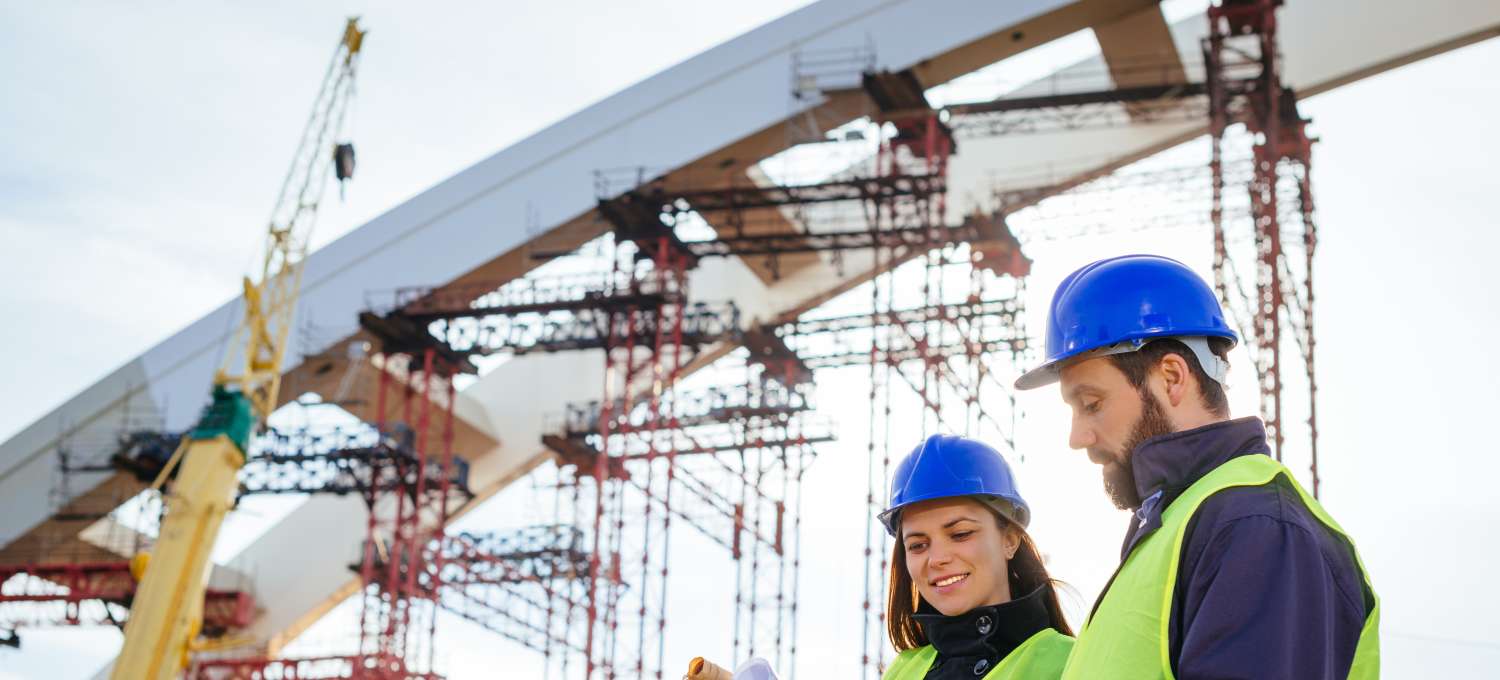
Understanding the Role of a New York City General Contractor
When embarking on a construction or renovation project in the bustling environment of New York City, understanding the role of a New York City General Contractor is crucial. General contractors are the linchpins of construction projects, overseeing everything from budget management to labor coordination while ensuring that projects are completed on time and in compliance with local codes. Their expertise is invaluable in navigating the complexities associated with building in one of the most densely populated cities in the world.
What Does a General Contractor Do?
A general contractor (GC) is responsible for the entirety of a construction project, acting as the intermediary between the owner, architects, subcontractors, and suppliers. Their core responsibilities typically include:
- Project Planning: Creating schedules and budgets, ensuring feasibility, and outlining project timelines.
- Hiring Subcontractors: Selecting skilled tradespeople for specialized tasks, such as plumbing, electrical work, and roofing.
- Daily Oversight: Managing the worksite to ensure productivity, safety, and compliance with regulations.
- Quality Control: Ensuring that the workmanship meets the necessary standards and that materials used are up to specifications.
- Communication: Acting as the main point of contact for all parties involved, maintaining flow of information throughout the project.
Key Skills and Qualifications
To effectively manage diverse construction projects, a New York City general contractor should possess a blend of technical, managerial, and interpersonal skills. Some essential qualifications include:
- Licensing and Certifications: General contractors must obtain specific licenses as per New York City's laws, demonstrating their specialized knowledge and capabilities.
- Experience: Prior experience in construction management helps GCs anticipate challenges and streamline processes.
- Project Management Skills: Ability to plan, execute, and oversee construction projects effectively, ensuring adherence to timelines and budgets.
- Attention to Detail: A focus on precision is crucial when coordinating various aspects of construction to avoid costly mistakes.
- Strong Communication: The ability to articulate plans, negotiate with stakeholders, and mediate conflicts is vital.
The Importance of Local Knowledge
New York City is known for its unique architectural styles, strict building codes, and often unpredictable weather. A general contractor with local knowledge is essential for several reasons:
- Regulations: Understanding NYC's specific zoning laws, codes, and regulations can significantly simplify the permitting process and help avoid fines.
- Subcontractor Relationships: Established connections with local subcontractors can facilitate smoother operations and lower costs.
- Material Sourcing: Insight into local suppliers can expedite material procurement, ensuring that projects remain on schedule.
- Cultural Awareness: Familiarity with the local environment enhances communication and collaboration with diverse teams and communities.
Why Hiring a New York City General Contractor Matters
Choosing to work with a general contractor in New York City can greatly enhance the success of your project. Here’s why:
Benefits of Local Expertise
Local expertise brings a wealth of benefits to your construction project. A skilled New York City general contractor has hands-on experience dealing with the nuances of construction in the city, such as:
- Knowledge of the Market: Understanding competitive pricing allows for better budgeting and cost management.
- Problem-Solving: Familiarity with local challenges enables quicker and more effective solutions to unforeseen issues.
- Enhanced Communication: Local contractors typically have strong networks, facilitating better coordination among various parties involved.
Cost Efficiency in Project Management
Hiring a general contractor can ultimately lead to cost savings. By managing budgets effectively and negotiating with subcontractors, a contractor can help mitigate unnecessary expenses. Here’s how:
- Accurate Estimates: A seasoned GC can provide precise cost estimates, ensuring projects stay within budget.
- Resource Optimization: Efficient use of labor and materials can reduce waste and enhance productivity.
- Minimized Delays: Well-managed timelines lead to reduced labor costs associated with delays.
Mitigating Risks with Professionals
Construction projects inherently carry risks – financial overruns, safety issues, and legal compliance challenges. A New York City general contractor plays a vital role in reducing these risks through:
- Insurance Coverage: Most professional contractors carry liability insurance, protecting you from potential lawsuits.
- Safety Protocols: Skilled contractors know how to implement safety measures that minimize the likelihood of accidents.
- Regulatory Compliance: Knowledge of local regulations ensures all work performed is compliant, reducing the risk of fines and delays.
How to Evaluate Potential New York City General Contractors
Finding the right general contractor for your project involves careful evaluation. Consider these critical steps in the selection process:
Checking Credentials and References
Start by ensuring that potential contractors have the necessary credentials. Research their licensing and bond status and ask for references from past clients. A reliable contractor should readily provide:
- License and Insurance: Verify that they are licensed in New York and carry adequate insurance.
- References: Speak to former clients to gauge satisfaction levels and the contractor’s reliability.
- Portfolio of Work: Examine completed projects to judge the quality and consistency of their work.
Understanding Project Portfolios
Reviewing a contractor's portfolio gives you insight into their style, quality, and capabilities. Evaluate:
- Variety of Projects: A diverse portfolio demonstrates adaptability and experience across different types of projects.
- Quality of Work: Look for craftsmanship standards, attention to detail, and completed projects that meet your aesthetic criteria.
- Client Feedback: Assess any reviews or testimonials that can provide insight into their working relationships.
Interviewing Candidates Effectively
Once you have narrowed down your choices, conduct interviews with potential contractors. Focus on the following questions:
- Experience Specific to Your Project: Ask about past projects similar to yours and their specific role in those projects.
- Communication Styles: Discuss how they prefer to communicate and how often updates will be provided.
- Handling Challenges: Inquire about specific challenges they have faced in previous projects and how they resolved them.
Common Challenges Faced by New York City General Contractors
While general contractors play a significant role in the success of any construction project, they face unique challenges in New York City. Understanding these issues can help clients appreciate the expertise required for successful project delivery.
Weather and Environmental Constraints
New York City’s weather can be unpredictable, impacting construction timelines and safety. Contractors need to plan for:
- Seasonal Variations: Winter conditions may cause delays, requiring contingency planning for snow or freezing temperatures.
- Environmental Regulations: Compliance with local environmental laws, including those related to noise and air quality management, is crucial.
Navigating Local Regulations and Permits
New York City has complex building codes and permit requirements that can be daunting for any project. A general contractor should be proficient in:
- Securing Permits: Understanding which permits are required for various types of construction or renovation projects.
- Code Compliance: Ensuring that all work adheres to Safe Construction Practices and building health standards to avoid legal issues.
Managing Diverse Workforce Dynamics
The diverse workforce in New York City presents both opportunities and challenges for general contractors. Effective management involves:
- Cultural Sensitivity: Awareness of cultural differences and communication styles can enhance teamwork and collaboration.
- Conflict Resolution: Ability to mediate between workers and resolve disputes efficiently is essential for maintaining project momentum.
FAQs About New York City General Contractors
What is the average cost of hiring a contractor in NYC?
The cost varies widely, but you can expect between $150 to $300 per hour depending on the project's complexity.
Do I need a permit for my renovation in NYC?
Yes, most renovations require a permit. A New York City General Contractor can help navigate this process.
How long does a typical project take?
Project duration depends on scope, but most can range from a few weeks to several months. A contractor will provide estimates.
Can I work with a contractor remotely?
Yes, many contractors use modern tools for remote management, but local oversight is recommended to ensure quality.
What impact does weather have on construction timelines?
Weather can affect timelines significantly, especially during winter months; flexibility and planning are essential.