

Understanding Cape Cod Home Architecture
Characteristics of Cape Cod Homes
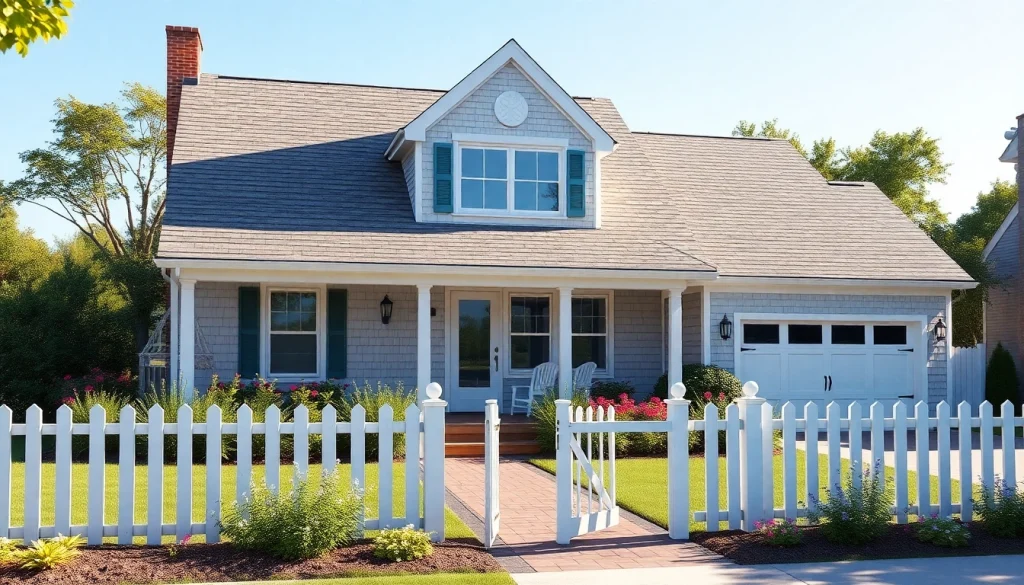
Cape Cod homes are known for their charming simplicity and functional design. Typically, these homes feature steeply pitched roofs, symmetrical facades, and dormer windows, which often contribute to their iconic silhouette. The exteriors are commonly painted in muted colors, allowing them to blend harmoniously with the coastal New England setting. The interiors are generally characterized by an open layout, which promotes natural light and offers a cozy atmosphere. Additionally, Cape Cod homes often include a central fireplace, further increasing their inviting nature.
Historical Significance of Cape Cod Style
Originating in the early 1600s, the Cape Cod style was shaped by the harsh winters of New England. Its design was a response to the climate, focusing on durability and efficiency. The early settlers built these homes using local materials, mainly wood, to ensure they could withstand the elements. The architectural style reflects a blend of practicality and aesthetics, emphasizing simplicity while meeting the needs of its residents. Cape Cod homes not only signify a specific architectural style but also embody the spirit and resilience of the early American settlers.
Modern Adaptations of Cape Cod Homes
In recent years, Cape Cod homes have evolved, incorporating modern amenities while retaining their historical charm. For instance, architects and builders are now integrating energy-efficient features and smart home technology within the classic framework. Open floor plans have become more popular, allowing for greater airflow and interaction among family members. Additionally, sustainable practices, such as using eco-friendly materials and optimizing natural light, have gained traction in new constructions. These adaptations create homes that respect the roots of the Cape Cod style while meeting contemporary demands.
Planning Your Cape Cod Home Expansion
Assessing Your Space Needs
Before embarking on any expansion project, it’s essential to evaluate your space requirements accurately. Consider the size of your family, lifestyle, and how you plan to use the additional space. Do you need extra bedrooms for guests or children, a larger kitchen for entertaining, or a dedicated home office? Additionally, factor in how the expansion can improve your home’s functionality. This step is crucial, as it dictates the scope and nature of your project, ensuring that you achieve a balance between aesthetics and practicality.
Incorporating Attached Garages
An attached garage can significantly enhance the functionality of your cape cod home. Not only does it provide shelter for vehicles, but it can also serve as additional storage space. When designing an attached garage, consider its impact on the home’s overall aesthetic. Ideally, the garage should complement the existing architecture while maximizing space efficiency. Options for access, such as connecting the garage to an entryway, can also enhance the home’s flow and convenience.
Permits and Regulations for Expansion
Expanding your cape cod home requires navigating various permits and regulations. Begin by checking local zoning laws, as they dictate what can and cannot be built in your area. You may also need to apply for building permits that ensure safety standards are met. Familiarizing yourself with these requirements not only speeds up the process but also protects you from fines or potential legal issues. Consulting with a local architect or contractor can ease this process, ensuring complete compliance with all necessary regulations.
Design Elements for an Inviting Cape Cod Home
Choosing the Right Color Palette
Your color palette plays a vital role in reflecting the style of your cape cod home. Traditional colors include muted tones such as soft grays, blues, and whites, which echo the coastal environment. However, modern interpretations allow for bolder colors while still honoring the essence of Cape Cod design. Incorporating natural hues inspired by the landscape can establish a harmonious connection between your home and its surroundings. When determining colors, consider how they work together both indoors and outdoors for a cohesive look.
Exterior and Interior Design Features
The aesthetic of a Cape Cod home is significantly defined by its design features, both exterior and interior. On the outside, traditional clapboard siding, gabled roofs, and shuttered windows maintain the historical essence. Inside, features like hardwood floors, exposed beams, and built-in shelving contribute warmth and character. Remember that maintaining continuity between these elements enhances overall design cohesiveness. Adding personal touches, such as artwork or custom built-ins, can further enrich the home’s atmosphere without compromising its historic charm.
Landscaping Ideas to Enhance Curb Appeal
Landscaping plays a crucial role in increasing the curb appeal of your Cape Cod home. Simple yet effective strategies include planting native plants that thrive in your climate. Low-maintenance perennials provide color and texture throughout the seasons. Incorporating stone pathways or wooden benches can create open spaces ideal for relaxation or gatherings. Additionally, adding a front porch with comfortable seating can invite guests and enhance the welcoming feel of your home.
Cost Considerations for Your Cape Cod Home Project
Budgeting for Expansion Costs
Creating a realistic budget is pivotal when planning an expansion. Begin by estimating the costs of materials, labor, and additional expenses like permits and design consultations. Allocating a contingency of about 10-20% of your total budget for unexpected costs is also wise, as renovations often uncover issues requiring immediate attention. Tracking your expenses closely throughout the project helps ensure you remain within budget while still achieving your vision for the home.
Cost-saving Tips for Renovation Projects
Cost-saving strategies are essential to ensure your project remains financially feasible. First, consider obtaining multiple quotes from contractors to find the best value for your investment. Additionally, opting for mid-range materials can achieve aesthetic appeal without overspending. Engaging in DIY projects, such as painting or minor landscaping tasks, can also contribute to savings. Lastly, planning your project during the off-peak season can lead to lower labor costs and more flexible scheduling with contractors.
Financing Options for Home Improvements
Home improvements can be financed through various options, each with its advantages. Traditional bank loans, home equity loans, or lines of credit are common choices. Additionally, government-backed loans designed for renovations may be available depending on your location. It’s essential to assess your financial situation and choose an option that minimizes risk while providing the necessary funds. Consulting with a financial advisor can offer valuable insights into selecting the appropriate financing method for your project.
FAQs About Cape Cod Home Expansions
What is the best way to expand my cape cod home?
The best approach is to assess your space needs and consider functional designs, such as open-concept layouts, attached garages, or second-story additions.
How can I maintain the architectural style?
To maintain the architectural style, use materials that reflect traditional Cape Cod features and keep the design elements consistent with original aesthetics.
What are the costs associated with an attached garage?
Costs for an attached garage can vary widely, depending on size, materials, and labor, typically ranging from $10,000 to $40,000 or more.
Do I need permits for expanding my home?
Yes, most home expansions require permits, including building and zoning permits, to ensure compliance with local regulations and safety standards.
What landscaping works best with Cape Cod homes?
Landscaping that incorporates native plants and natural materials enhances the Cape Cod aesthetic, creating a cohesive transition between home and nature.