
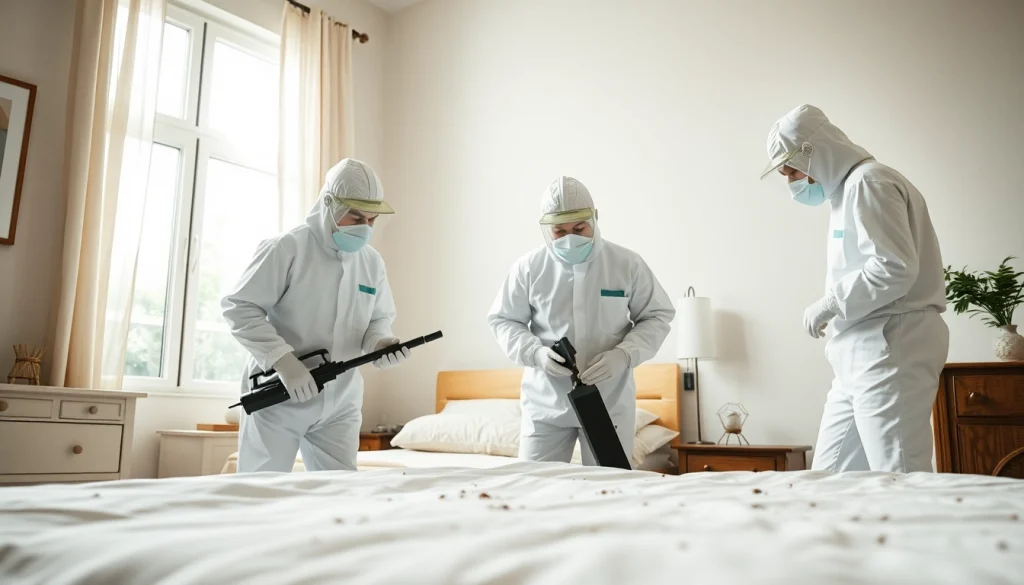

Understanding Bed Bugs and Their Behavior
Bed bugs are pervasive pests that have been causing discomfort to humans for centuries. These tiny, parasitic insects feed on the blood of their hosts, primarily humans, during the night. Understanding their behavior, life cycle, and hiding habits is crucial for effective bed bug pest control.
The Life Cycle of Bed Bugs
Bed bugs undergo a simple metamorphosis with three main stages: egg, nymph, and adult. Females can lay hundreds of eggs over their lifetime, which hatch into nymphs after about a week. Nymphs require multiple blood meals to mature, transitioning through five nymphal stages before reaching adulthood. Typically, the entire life cycle can take place within 4 to 5 weeks under optimal conditions, meaning infestations can grow rapidly.
Signs of Infestation
Detecting a bed bug infestation early is vital to control methods. Common signs include:
- Red, itchy bites on the skin, usually in clusters or a line.
- Dark spots on bedding or mattresses, which are bed bug excrement.
- Shell casings or molted skins left behind after nymphs mature.
- Bites may appear as welts, often mistaken for mosquito bites.
Common Hiding Places
Bed bugs are experts at hiding, which can complicate eradication efforts. Common hiding spots include:
- In and around mattresses and box springs
- Within bed frames and headboards
- In cracks of furniture, particularly upholstered items
- Behind wallpaper, electrical outlets, and picture frames
Steps for Effective Bed Bug Pest Control
Effective bed bug control demands a systematic approach to eradication and prevention. Understanding how to prepare for treatment, identifying DIY solutions, and knowing when to involve professionals are critical steps.
Preparing Your Home for Treatment
Preparation plays a crucial role in the success of bed bug treatment. Begin with the following steps:
- Declutter your home, as reducing hiding spots is essential.
- Launder all bed linens, clothing, and any fabric items that can withstand heat; use hot water and high heat in the dryer.
- Vacuum extensively, focusing on carpets, floors, and upholstered furniture. Seal the vacuum bag before disposing of it.
- Consider encasing mattresses and box springs in bed bug-proof covers to trap any remaining bugs inside.
DIY Solutions for Bed Bug Control
For those seeking initial control methods, several DIY solutions can be implemented:
- Using high heat (over 120°F) can kill bed bugs and their eggs quickly; steam cleaning can be particularly effective.
- Alcohol and essential oils have been touted as potential insecticides; however, results can vary, and these methods may not eliminate infestations.
- Bed bug traps can be used to monitor and catch bed bugs. Position these traps around the bed to gauge the level of infestation.
When to Call a Professional
While DIY efforts can sometimes manage minor infestations, professional intervention is often necessary for larger or stubborn infestations. Signs that professional help is needed include:
- Continued sightings after attempting DIY methods.
- The presence of multiple infestations in different rooms.
- Severe allergic reactions to bites or skin infections.
Methods and Treatments for Bed Bug Pest Control
When confronting a bed bug infestation, understanding the various treatment methods available is essential for effective control. These can range from chemical applications to more holistic approaches.
Heat Treatment Effectiveness
Heat treatment has gained traction as one of the most effective methods for eradicating bed bugs. This method involves raising the temperature of infested rooms to a level that is fatal to bed bugs and their eggs. Effective implementation includes:
- Using specialized equipment to ensure uniform heat distribution throughout the treated area.
- Monitoring temperatures with sensors to guarantee that all areas reach the necessary 120°F.
Heat treatment’s primary benefit is its ability to eliminate all life stages of bed bugs in one treatment. This method is chemical-free, making it appealing to those avoiding chemical pesticides.
Pesticide Applications and Safety
While heat treatments hold an advantage, many still rely on pesticides, particularly in severe infestations. Key considerations include:
- Using EPA-registered products that are proven effective against bed bugs.
- Applying treatments strictly according to the manufacturer’s guidelines to ensure safety and efficacy.
- Understanding potential side effects; chemical treatments can pose risks to pets and humans if not applied correctly.
Integrated Pest Management (IPM) Strategies
The Integrated Pest Management (IPM) approach combines different strategies for effective bed bug control. Important components include:
- Education on the biology and behavior of bed bugs to inform control methods.
- Regular inspections to monitor for signs of bed bugs and other pests.
- Utilizing a combination of fumigation, heat treatments, and chemical applications based on the severity of the infestation.
IPM emphasizes sustainable, long-term pest control, reducing reliance on chemicals.
Preventing Future Bed Bug Infestations
Implementing preventive measures is essential for keeping bed bugs at bay after an infestation has been eliminated. Simple best practices can vastly reduce the likelihood of recurrence.
Best Practices for Travelers
Travelling can pose significant risks for bed bug exposure. To minimize risks:
- Inspect hotel rooms upon arrival, especially the bedding, mattress seams, and headboards.
- Keep luggage off the floor and bed by utilizing luggage racks or placing bags in the bathtub.
- Immediately dry-clean or wash clothing after returning home to eliminate any hidden bed bugs.
Routine Home Inspections
Regular inspections of your home can detect early signs of bed bugs. Suggested practices include:
- Checking all bedding and upholstered furniture for signs of bugs or bites.
- Monitoring frequently used shared spaces like living rooms and guest rooms.
Establish a routine inspection schedule based on the risk of exposure in your environment.
Using Protective Bedding
Using protective covers for mattresses and box springs can significantly reduce bed bug risks. Key points include:
- Choose high-quality, bed bug-proof encasements that are sealed properly to eliminate any escape routes.
- Regularly check and wash these covers to ensure cleanliness and integrity.
Cost Considerations for Bed Bug Pest Control
Understanding the costs associated with bed bug control aids in budgeting and preparation, whether opting for DIY or professional solutions.
Average Extermination Costs
The cost of extermination can vary significantly based on the level of infestation, location, and the methods used. Typically, professional treatments range from $300 to $1,500, depending on the services provided and the extent of the infestation.
Factors Affecting Price
Several factors influence the cost of bed bug control, including:
- The size of the area being treated.
- The severity of the infestation; larger or highly infested areas will typically require more intensive treatments.
- The specific methods used – heat treatments generally cost more than standard insecticide applications due to the specialized equipment needed.
DIY vs. Professional Costs
Choosing between DIY methods and professional services can be challenging. DIY options may initially be cheaper, often costing under $100 for basic supplies. However, professional services may yield faster and more reliable results, ultimately being more cost-effective in the long term.
Frequently Asked Questions about Bed Bug Pest Control
1. How long does it take to get rid of bed bugs?
The time required varies by infestation severity and treatment method. Professional treatments typically take several visits over a few weeks, while DIY methods can extend the duration further.
2. Can I treat bed bugs myself?
Yes, several DIY methods may help control minor infestations, but they may not eliminate them completely. Severe infestations usually necessitate professional intervention.
3. How can I prevent bed bugs from coming back?
Implement routine home inspections, use protective bedding, and practice careful measures while travelling to prevent future infestations.
4. Are bed bug bites dangerous?
While bed bug bites are generally not dangerous, they can cause allergic reactions, secondary infections, and significant psychological stress for those affected.
5. What is the most effective way to kill bed bugs?
Heat treatments are one of the most effective methods for eliminating bed bugs, as they can kill all life stages of the insect rapidly. Chemical treatments can also be effective when used correctly.