
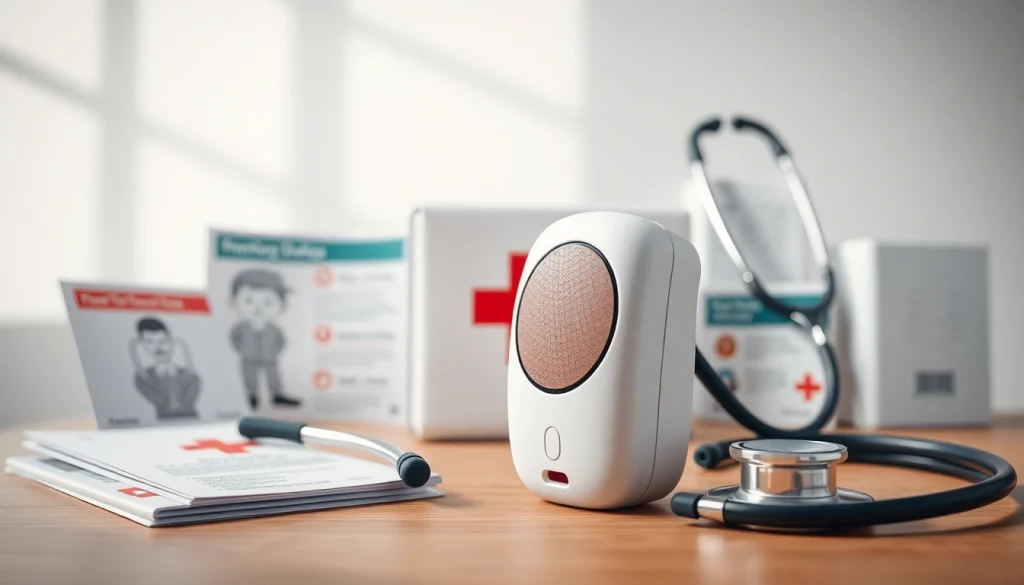

Understanding the Choking Device
What is a Choking Device?
A choking device is a medical instrument designed to provide emergency assistance to individuals who are experiencing airway obstruction due to choking. These devices come in various forms and employ different mechanisms to remove food or objects lodged in the throat. Unlike traditional first aid methods such as the Heimlich maneuver, choking device options offer non-invasive solutions aimed at relieving the obstruction effectively.
How Choking Devices Work
Choking devices generally operate on the principle of suction or suction-assisted techniques. When a person chokes, airflow is obstructed, preventing breathing. Choking devices create a vacuum, generating negative pressure that helps dislodge and expel the foreign object blocking the airway. These devices do not require power and can be operated easily, thus making them accessible for anyone, even without prior medical training.
Common Types of Choking Devices
There are several types of choking devices available on the market. The most popular include:
- Mechanical Suction Devices: These are handheld devices that create suction to remove obstructions. They are typically used in emergency settings.
- Portable Airway Clearance Devices: Aimed at both adults and children, these devices help clear their airways effectively.
- Dechoker: This is a handheld device with a one-way valve that allows air to be evacuated and prevents it from entering, making it effective for choking situations.
- LifeVac: This non-invasive airway clearance device has gained recognition for its portable design and ease of use.
Importance of Choking Devices in Emergency Situations
Statistics on Choking Incidents
Choking remains a leading cause of unintentional injury and death, particularly among young children and the elderly. According to reports, approximately 5,000 deaths occur annually in the United States due to asphyxiation caused by choking. Awareness about choking hazards and having a choking device can significantly reduce these incidents and potentially save lives.
Real-Life Success Stories
There are numerous documented cases where choking devices have been instrumental in saving lives. For instance, a mother successfully used a choking device on her toddler during dinner. The quick and effective action of using the device not only removed the obstruction but also instilled a sense of peace in the mother knowing she had the right tools at hand in an emergency.
These success stories highlight the devices’ efficacy and the importance of preparedness in emergency scenarios.
Legal Considerations and Recommendations
While choking devices can be lifesaving, there are legal considerations to keep in mind. The FDA has not authorized many over-the-counter choking devices, which means consumers are advised to choose products wisely based on verified efficacy and safety. It is also essential to follow established choking rescue protocols as outlined by organizations like the American Red Cross to ensure that the devices are used effectively in emergencies.
Choosing the Right Choking Device for Your Needs
Factors to Consider
Selecting the appropriate choking device involves evaluating multiple factors, including:
- Intended Use: Consider whether the device will be used for adults, children, or both.
- Ease of Use: Ensure that the choking device is user-friendly and can be handled effectively under stress.
- Portability: Devices should be easy to carry, especially for use in situations outside the home.
Top Features to Look For
When selecting a choking device, focus on these essential features:
- Suction Strength: The device should generate adequate suction to remove various obstacles.
- Durability: Materials used should be robust and able to withstand multiple uses.
- Safety Certifications: Look for devices endorsed by health organizations to ensure compliance with medical safety standards.
Where to Buy a Choking Device
Choking devices can be purchased from various platforms, including medical supply stores, pharmacies, and reputable online healthcare retailers. Before purchasing, it is prudent to read reviews and verify the credibility of the product.
Proper Usage of Choking Devices: Step-By-Step Guide
Preparing for an Emergency
Preparation is key when it comes to choking emergencies. Having a choking device readily available and knowing how to access it quickly can greatly enhance the chances of a successful intervention. It is also beneficial to practice using the device in a non-stressful setting to familiarize yourself with its operation.
How to Use a Choking Device Effectively
To maximize the effectiveness of a choking device during an emergency, follow these steps:
- Assess the situation: Ensure the person is genuinely choking.
- Position the device according to the manufacturer’s instructions.
- Apply the device firmly against the affected area, ensuring complete contact.
- Activate the suction function, following guidelines on timing and duration.
- Monitor the individual for signs of recovery.
Post-Usage Care and Considerations
After using the choking device, it is crucial to assess the individual for any remaining distress or complications. Follow up with medical professionals for further care and always clean the device according to the manufacturer’s instructions to maintain hygiene and effectiveness.
Frequently Asked Questions
What should I do if a choking device fails?
If a choking device fails, immediately initiate traditional first aid measures like the Heimlich maneuver and call emergency services for help.
Are choking devices suitable for children?
Many choking devices are designed for both adults and children, but it is essential to verify the manufacturer’s recommended age range before use.
How often should I replace my choking device?
Regularly inspect your choking device for wear and tear. It’s advisable to replace it after use or if it shows signs of damage.
Can choking devices be used without training?
While no formal training is required, understanding how to operate a choking device effectively can significantly improve its success rate. Practical knowledge is recommended.
Why are choking devices recommended by health professionals?
Health professionals endorse choking devices due to their potential to provide quick assistance in emergencies, thereby reducing the risk of severe injury or death.