
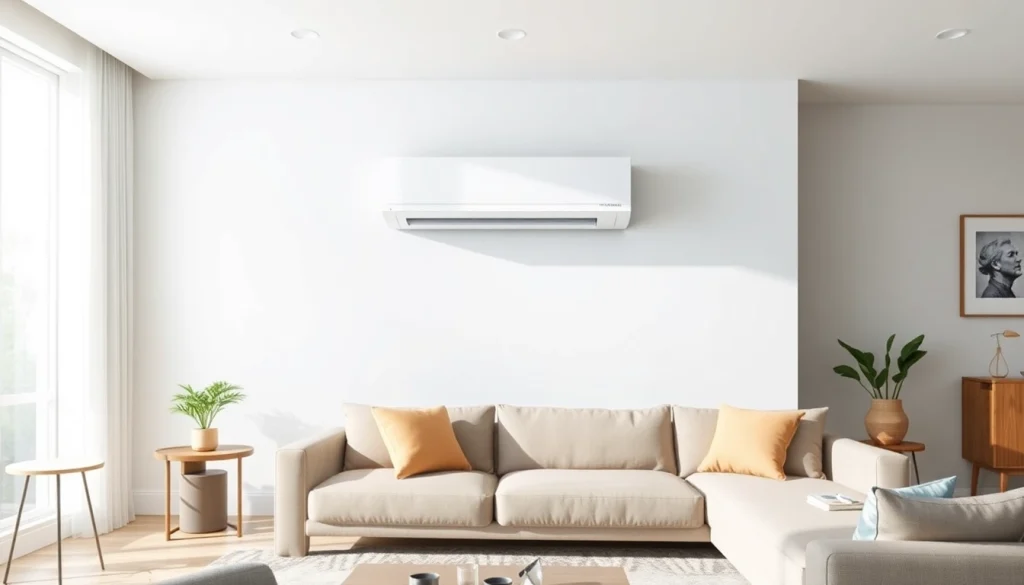

Understanding Mitsubishi Mini Split AC Systems
What is a Mitsubishi Mini Split AC?
The mitsubishi mini split ac is a type of air conditioning system that employs ductless technology, making it an efficient alternative to traditional HVAC systems. It typically consists of an outdoor compressor unit and one or more indoor air handling units. These units are designed to cool or heat specific areas individually, providing personalized comfort within a home or office environment.
Key Features of Mitsubishi Mini Split AC
Mitsubishi mini split AC systems are recognized for their advanced features that set them apart from traditional air conditioning units:
- Ductless Design: Eliminates the need for extensive ductwork, allowing for easier installation and reduced energy loss.
- Energy Efficiency: Many models come with high SEER ratings, indicating they consume less electricity while delivering superior cooling and heating performance.
- Inverter Technology: This allows the compressor to adjust its speed based on the cooling requirements, which enhances efficiency and comfort.
- Multi-Zone Capability: One outdoor unit can power multiple indoor units, giving homeowners control over different temperature settings in various rooms.
- Quiet Operation: These systems are designed to operate quietly, making them ideal for bedrooms, offices, and other noise-sensitive areas.
How Mitsubishi Mini Split AC Differs from Traditional Systems
Unlike traditional HVAC systems that rely on ductwork to distribute cooled or heated air, Mitsubishi mini splits use a direct approach, delivering air directly into the living space. This not only improves efficiency but also minimizes energy costs. Furthermore, the ability to control individual zones means less energy is wasted when rooms are unoccupied. This tailored approach contributes to improved indoor air quality and personalized comfort for every user.
Benefits of Installing Mitsubishi Mini Split AC
Energy Efficiency and Cost Savings
One of the primary benefits of the mitsubishi mini split ac is its superior energy efficiency. With many models boasting SEER ratings above 20, they are built to maximize cooling power while minimizing energy use. Homeowners can expect significant savings on their energy bills, especially during peak summer months. Additionally, the inverter technology means the system uses only the energy necessary to maintain desired temperatures, removing the usual spikes in energy consumption associated with traditional systems.
Flexible Installation Options
Mitsubishi mini split AC systems can be installed in diverse configurations, whether in single or multi-zone setups. This flexibility allows for greater customization in homes of all shapes and sizes. Installation does not require extensive renovations—most systems can be affixed to walls or ceilings, which makes them ideal for both new constructions and retrofits in older homes.
Quiet Operation for Peaceful Living
Sound levels are a critical consideration for any HVAC system, and Mitsubishi mini splits excel in this regard. The units are engineered to operate quietly, often producing sound levels as low as 19 dB, which is quieter than a whisper. This feature makes them particularly suitable for bedrooms, libraries, and workspaces, where a peaceful environment is necessary.
Choosing the Right Mitsubishi Mini Split AC for Your Space
Determining the Required BTU Capacity
Before purchasing a mitsubishi mini split ac, it is crucial to determine the necessary BTU capacity for effective cooling or heating. The required capacity is influenced by factors such as room size, ceiling height, insulation levels, and local climate. As a general rule of thumb, a 12,000 BTU unit will suffice for spaces around 500-600 square feet. Consulting with an HVAC professional can provide a more tailored recommendation based on specific needs.
Single Zone vs. Multi-Zone Systems
Homeowners must decide between single-zone and multi-zone systems based on their cooling and heating needs. Single-zone systems are great for small homes or rooms that require individual climate control, while multi-zone systems are perfect for larger homes or businesses where different areas may need different temperature settings. This distinction is crucial for maximizing comfort and efficiency across the entire space.
Installation Considerations for Different Environments
When installing a Mitsubishi mini split, it is important to consider factors such as wall placement, access to power sources, and any potential obstructions outside. The outdoor unit should be positioned to encourage good airflow and be away from direct sunlight, which can affect its efficiency. Proper installation also requires professional expertise to ensure all components work harmoniously.
Maintenance Tips for Mitsubishi Mini Split AC
Regular Filter Cleaning and Replacement
Maintaining clean filters is vital for optimal performance. Homeowners should check filters at least once a month and clean or replace them as needed to prevent dust accumulation, which can restrict airflow and reduce efficiency. This simple maintenance task can prolong the life of the unit and maintain its cooling capacity.
Seasonal Maintenance Checklist
Seasonal maintenance ensures that systems perform at peak efficiency. Homeowners should have an HVAC technician inspect their Mitsubishi mini split systems once or twice a year. Key aspects to check include refrigerant levels, overall system performance, and electrical connections. Regular tune-ups can help detect issues before they become major repairs.
Common Issues and Troubleshooting
Common issues such as the system not cooling properly or unusual noises can typically be resolved with simple troubleshooting. If the unit fails to cool, the filter could be clogged, or the refrigerant level might be low. Noises could indicate that the indoor unit has become dislodged. For persistent issues, contacting a qualified technician is recommended.
FAQs About Mitsubishi Mini Split AC
How long does a Mitsubishi mini split AC last?
With proper maintenance, a Mitsubishi mini split AC can last between 12 to 20 years, depending on usage and environment factors.
Is installation difficult for Mitsubishi mini split AC?
Installation requires professional expertise. However, Mitsubishi mini splits are designed for easier installation compared to traditional systems, reducing complexities.
What size Mitsubishi mini split AC do I need for my room?
The required size depends on room dimensions, insulation, and local climate conditions. Calculating BTU needs is essential for efficient performance.
Do Mitsubishi mini split AC units consume a lot of electricity?
No. Mitsubishi mini split AC units are energy-efficient, generally consuming less power than traditional systems while delivering effective climate control.
Can a Mitsubishi mini split AC be used for both heating and cooling?
Yes, many Mitsubishi mini split AC models have heat pump features, enabling them to provide heating during colder months and cooling in the summer.