
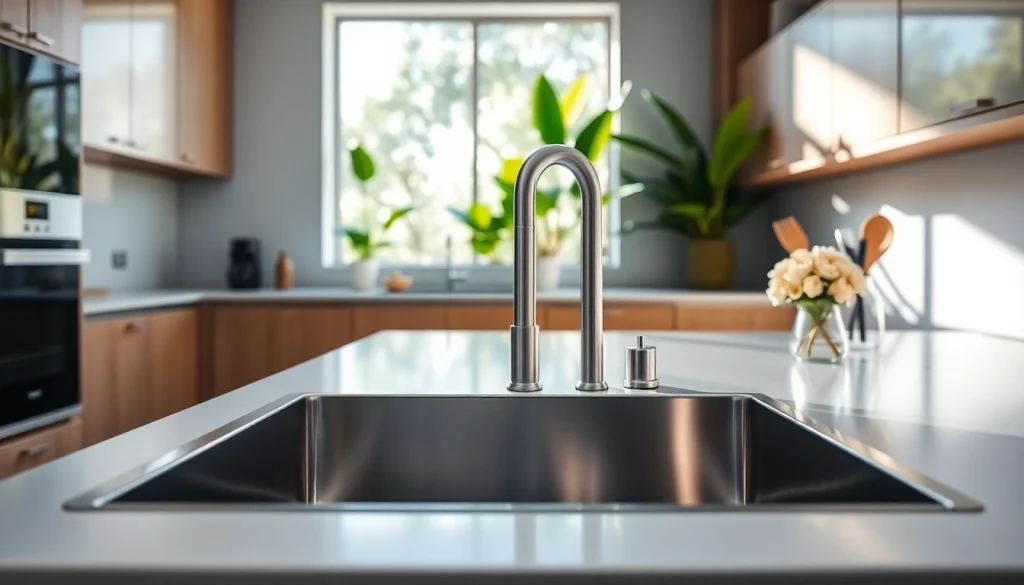

The Benefits of a Kitchen Sink in Stainless Steel
Durability and Longevity
One of the standout features of a kitchen sink in stainless steel is its incredible durability. Unlike porcelain or plastic sinks, stainless steel can withstand high temperatures and resist cracks or chips. This material is particularly beneficial in a bustling kitchen setting where pots are frequently placed in the sink after boiling water or frying. The resilience of stainless steel leads to a longer lifespan, making it a cost-effective investment for any homeowner.
Easy Maintenance Tips
Another significant advantage of stainless steel sinks is their low-maintenance nature. Cleaning these sinks is straightforward; a simple mixture of mild detergent and warm water will remove most stains and grime. For tougher stains, baking soda can act as a gentle abrasive without scratching the surface. Rinsing with plain water and drying with a soft cloth can keep the sink looking polished and new. To prevent water spots, it’s best to dry the sink after each use, but occasional deep cleaning will suffice to maintain its shine.
Aesthetic Appeal in Modern Design
The sleek, modern look of a kitchen sink in stainless steel complements contemporary kitchen designs beautifully. Available in various finishes, from brushed to polished, these sinks can blend seamlessly with any countertop or cabinetry. Whether your style is minimalistic or industrial chic, a stainless steel sink adds a sophisticated touch to your kitchen space. It works well with various materials and color schemes, making it a versatile choice for homeowners aiming for a unified design aesthetic.
Choosing the Right Kitchen Sink in Stainless Steel
Size and Configuration Considerations
When selecting a stainless steel sink, the size and configuration are crucial. Standard sizes often range from 22 inches to 33 inches wide, but selecting a size that fits your countertops and meets your daily needs is essential. Consider the number of users in your household and the sink’s intended use. Single-basin setups are great for small kitchens or minimal cooking needs, while double-basin sinks offer more flexibility for washing dishes and prepping food simultaneously.
Style Options: Undermount vs. Topmount
Choosing between undermount and topmount (or drop-in) configurations is often a matter of personal preference and installation capabilities. Undermount sinks create a seamless look beneath the countertop, ideal for solid surfaces like granite or quartz. On the other hand, topmount sinks are generally more accessible to install and can fit into a variety of countertops. Each option has its advantages, so consider your kitchen’s design and your installation comfort level when making a selection.
Accessories to Enhance Functionality
Accessories can elevate the functionality of a kitchen sink in stainless steel. Items such as sink grids protect the bottom from scratches while allowing water to drain freely. Cutting boards that fit over the sink provide additional workspace for food preparation, while colanders can make rinsing fruits and vegetables a breeze. Consider investing in these accessories to maximize your efficiency and enhance the overall usability of your kitchen sink.
Installation Process for Kitchen Sink in Stainless Steel
Tools Required for Installation
Installing a stainless steel sink typically requires a few basic tools. Common tools needed include a screwdriver, plumber’s putty, a wrench, and a level. For those opting for an undermount installation, a silicone sealant is essential for creating a watertight bond. Ensuring you have everything prepared beforehand can streamline the installation process and prevent last-minute trips to the hardware store.
Step-by-Step Installation Guide
Whether you are replacing an old sink or installing a new one, following a step-by-step guide simplifies the process. Here’s a concise rundown:
- Turn off the water supply and disconnect the plumbing under the sink.
- Remove the existing sink using a wrench or screwdriver, depending on the installation type.
- Prepare the area by cleaning the countertop surface.
- If installing an undermount sink, apply a bead of silicone sealant along the edge of the sink cutout.
- Place the sink in position and secure it according to manufacturer instructions.
- Reconnect plumbing and turn the water supply back on. Check for leaks and adjust as necessary.
With careful attention to detail, most DIY enthusiasts can install a stainless steel sink without the need for professional assistance.
Common Issues and Solutions
Even the best-planned installations can encounter issues. Some common challenges include leaks, improper alignment, or noise from water hitting the sink. If you experience leaks, first check the connections underneath the sink; ensuring they are tight can often resolve the problem. For alignment, minor adjustments can sometimes be made by loosening the mounting brackets. To mitigate noise, consider using sound-proofing mats or choosing a thicker gauge stainless steel sink, which tends to absorb sound better.
Stylish Pairings for Your Kitchen Sink in Stainless Steel
Complementary Fixtures and Faucets
A stylish faucet can act as a focal point in your kitchen and should harmonize with the kitchen sink in stainless steel. Opting for matte finishes or modern designs can enhance the overall look, while practical features like pull-down sprayers or touchless technology add functionality. Ensure the faucet’s height is compatible with your sink, especially in deep or wide designs, to prevent water splatter and to facilitate ease of use.
Color Schemes That Work Well
Stainless steel pairs exceptionally well with various color schemes. For a classic look, try pairing it with white or light-colored cabinetry where it can shine as a standout feature. Bold colors such as navy or deep green can also create an eloquent contrast. When planning your kitchen’s color palette, think about the overall tone and mood you want to establish; the reflective nature of stainless steel can elevate a room filled with rich colors and textures.
Integrating Natural Elements for Warmth
To soften the modern feel of a kitchen sink in stainless steel, consider adding natural elements like wood and stone. Wooden cutting boards or shelves can introduce warmth and texture, while stone countertops can create a harmonious aesthetic. Plants or herbs in decorative pots can also bring a touch of nature into your kitchen, making the space inviting and lively.
Frequently Asked Questions about Kitchen Sinks in Stainless Steel
What are the advantages of stainless steel sinks?
Stainless steel sinks are durable, resistant to cracking, and easy to maintain. Their modern aesthetic and vast design options make them suitable for any kitchen style.
How do I clean my stainless steel sink?
Use a mixture of mild detergent and warm water for regular cleaning. For tougher stains, baking soda can effectively scrub without scratching the surface.
Can a stainless steel sink scratch easily?
While stainless steel sinks can scratch, higher gauge metal is more resistant. Using a sink grid or rubber mat can help protect the surface from scratches.
Are stainless steel sinks noisy?
Some stainless steel sinks can be noisy due to the sound of running water. Choosing thicker material or adding soundproofing can help minimize noise.
What size stainless steel sink is right for me?
The right size depends on your kitchen space and how you use it. Standard sizes range from 22 to 33 inches, with single or double bowl options available based on your needs.


