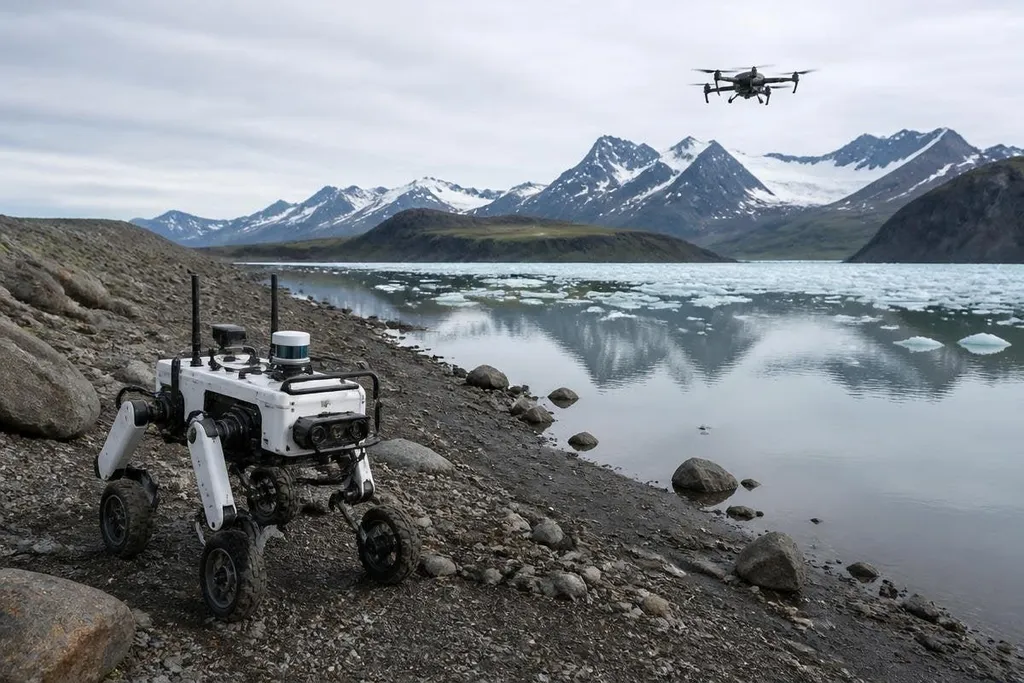
Environmental robots are being built for work that is dirty, remote, repetitive, or unsafe for people. Their next phase will depend less on dramatic demos and more on whether they can collect useful data, keep working outdoors, and return for repair without a large support crew.
Quick read
- Field robots will combine cameras, GPS, LiDAR, and other sensors to inspect land, water, air, and infrastructure.
- Remote operation will remain part of the system when software cannot safely handle an unusual task.
- Cost, battery life, weather protection, and data quality will decide which projects last.
What these robots will do
An environmental robot starts with a clear job: measure, inspect, sample, map, or remove something. Ground robots can carry cameras across rough land. Aerial robots can view a wide area without sending a person into it. Underwater robots can inspect places that are hard to reach from the surface.
The useful part is the record each robot creates. Cameras can show visible damage. Thermal sensors can find heat differences. Gas sensors can check air conditions. LiDAR, which measures distance with laser pulses, can build a 3D map of an area. Combining those readings gives a team more than a single photograph.
That data still needs a person who knows the site. It may mark a change in a riverbank, a damaged pipe, or a patch of stressed plants, but the system needs rules for deciding what deserves a closer inspection. The machine gathers evidence. People decide what action follows.
More autonomy, with a person nearby
Autonomy will handle routine movement and repeated checks. A robot can follow a planned route, avoid obstacles, return to a charging point, and send an alert when its readings differ from a set range. These tasks fit software because the rules can be tested before the robot enters the field.
Unusual conditions are harder. Mud can cover a sensor. Water can block a signal. Smoke, glare, rain, or loose ground can confuse cameras and mapping systems. A remote operator may need to take control, change the route, or confirm a finding before the robot continues.
This mixed setup is more practical than expecting one robot to make every decision alone. It also changes the work for field teams. They will need to plan missions, check sensor data, maintain batteries, and review errors instead of walking every inspection route themselves.
A field team needs more than a robot’s task list. It needs the test site, sensor, date, weather, and measured result beside each claim. Robot24.com environmental robotics coverage can keep those details together, giving the team a way to judge whether a machine worked outside a controlled trial. The next limits start when rain, mud, weak signals, or animal movement change the job.
The limits that will decide adoption
Outdoor robots face problems that a controlled test room hides. Battery capacity limits how long a robot can work before it needs a charge or a swap. Weight affects travel over soft ground and the amount of sensor equipment it can carry.
An enclosure's IP rating shows how well it resists dust and water, but it does not remove the need for cleaning and checks.
Data quality can fail before the robot breaks. A sensor may drift, collect readings at the wrong height, or lose a reliable position signal. That can produce a neat map with a weak basis. Teams will need calibration records, repeat checks, and a way to mark readings that require human review.
I expect the projects that last will be the ones with a narrow task and a clear repair plan. Weekly checks of one type of pipe may earn a robot's place sooner than a machine promised to monitor an entire region.
A buying and planning checklist
Before a project leaves a test site for regular field work, check these points:
- Name the task: define the reading, inspection, sample, or object the robot must handle.
- Set the human handoff: record when an operator takes control and who approves the next step.
- Test bad conditions: include rain, dust, weak signals, uneven ground, and dirty sensors where they fit the site.
- Check the data chain: confirm how readings are stored, marked, reviewed, and linked to a location.
- Plan service work: list battery changes, sensor cleaning, software updates, spare parts, and recovery steps.
- Measure the result: compare robot-collected data with a trusted manual check before relying on alerts.
The near-term path is clear enough: environmental robots will take on more scheduled field work, while people keep control of unusual cases and final decisions. The open question is how much a complete service will cost after charging gear, repairs, data review, and operator time are counted.