Understanding Retro Appliances
Definition of Retro Appliances
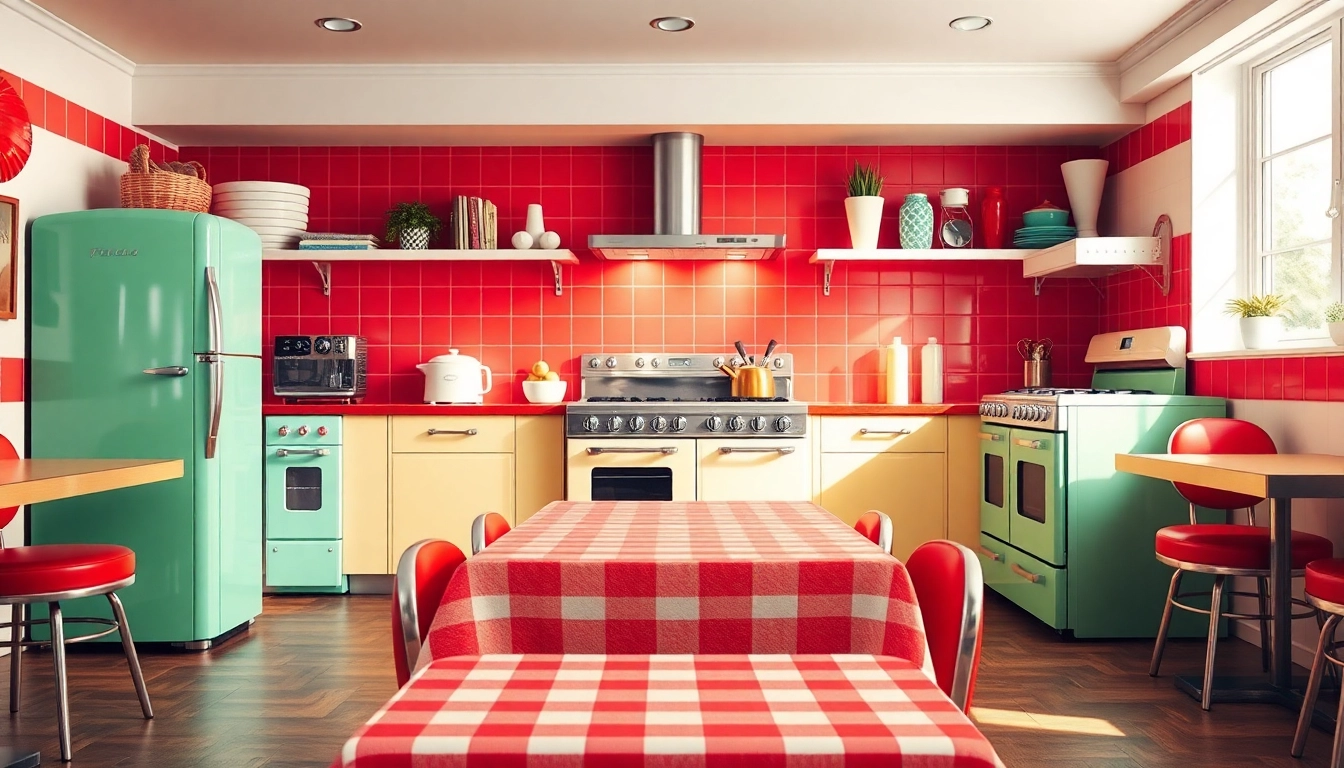
Retro appliances are a category of home devices that embody vintage design aesthetics, often reminiscent of styles that were prominent from the 1950s to the 1970s. These items are characterized by their bold colors, chrome accents, and round shapes, often designed to bring a nostalgic feel to modern kitchens. They serve as a stylish reminder of the past while integrating modern efficiency and technology, marrying functionality with timeless charm. Many homeowners opt for these devices to add a unique flair to their spaces. For those interested in exploring the charm of retro appliances, retro appliances are available in various forms, from refrigerators to small kitchen gadgets.
Key Features of Retro Appliances
Retro appliances are distinguished by a number of features that not only serve aesthetic purposes but also enhance user experience:
- Color Palette: Retro appliances are known for their vibrant and pastel colors, such as mint green, pink, and baby blue, which add a pop of color and nostalgia to any kitchen.
- Design Elements: Many retro appliances incorporate rounded shapes and vintage detailing, giving them a warm, inviting feel that contrasts sharply with modern straight lines.
- Material Use: High-quality materials like stainless steel and durable plastics are commonly used, ensuring both longevity and a classic look.
- Modern Functionality: While they boast retro designs, these appliances often include modern technology, making them energy-efficient and user-friendly.
Evolution of Retro Appliance Design
The evolution of retro appliances traces back to a period when design was as crucial as utility. The 1950s marked a significant shift in consumer goods, driven by the post-war economic boom and a growing middle class. During this era, manufacturers began adopting distinctive design elements to differentiate their products, leading to the creation of some of the most iconic appliances we know today. As tastes evolved, designers began to incorporate elements reflective of cultural movements, blending art and functionality. In recent years, there has been a resurgence in popularity for these vintage-style products as homeowners look to nostalgia to enhance their interiors.
Benefits of Retro Appliances
Style and Aesthetic Appeal
The primary allure of retro appliances lies in their undeniable aesthetic charm. These devices serve as statement pieces that can transform an ordinary kitchen into a stylish haven. Their eye-catching designs draw attention and often elicit compliments from guests. Incorporating retro appliances into your home allows you to express your individuality and taste, providing that perfect blend of character and nostalgia.
Modern Technology in Retro Designs
Despite their vintage looks, many retro appliances come equipped with the latest technology. Consumers can enjoy features like energy efficiency, smart connectivity, and advanced cooking options without sacrificing style. Manufacturers are increasingly integrating modern components into these classic designs, which means you can have an aesthetically pleasing appliance that doesn't compromise on performance or efficiency.
Reliability and Durability of Retro Appliances
Retro appliances are often built with high-quality materials that ensure durability and long-term reliability. Unlike some modern appliances that may rely heavily on technology and plastic components, many retro designs prioritize solid construction and classic elements. This durability makes retro appliances not only stylish but also a worthwhile investment, as they can last for many years with proper care.
Choosing the Right Retro Appliances for Your Home
Considerations Before Purchase
When considering retro appliances for your kitchen or home, it’s essential to keep a few key factors in mind:
- Space: Evaluate the available space before making a purchase. Retro appliances often come in various sizes, and it’s crucial to choose models that fit comfortably in your kitchen.
- Color Scheme: Select colors that complement your existing décor. Pastel and bold colors can dramatically affect the ambiance of your kitchen, so choose wisely.
- Functionality: Assess the functionalities important to you. Whether you need a basic appliance or one with advanced features, ensure it meets your cooking and usability needs.
- Budget: Determine your budget beforehand. Retro appliances can range widely in price based on brand, features, and size.
Popular Retro Appliance Brands
While many brands manufacture retro appliances, some have become synonymous with vintage-inspired designs. It is crucial to consider the reputation and reliability of the brand when making your choice. Look for brands known for their quality and customer service to ensure your purchase is satisfactory. Additionally, seek out customer reviews and ratings to guide your decision. Your aim should be to find an appliance that balances aesthetic appeal with trusted performance.
Customization Options Available
Many manufacturers offer customization choices, allowing you to create a unique look that fits your preference. From selecting colors to choosing specific features, customization can help make the appliance truly yours. In some cases, you may even find options for hardware choices, such as knobs and handles, which allow for further personalization. Take advantage of these offerings to create a cohesive and individualized kitchen aesthetic.
Maintenance Tips for Retro Appliances
Regular Cleaning Regimens
To keep your retro appliances looking sharp and functioning correctly, regular cleaning is essential. Use a gentle cleaner that’s suitable for metallic surfaces to avoid damaging the finish. For stainless steel models, a microfiber cloth often works well. Pay special attention to avoid abrasive cleaners that can scratch surfaces. Consistent cleaning not only enhances appearance but also helps maintain the functionality of components like door seals and controls.
Troubleshooting Common Issues
Sometimes, retro appliances may encounter issues similar to modern appliances. Familiarizing yourself with common problems can be the first step in troubleshooting. Problems like ice buildup in refrigerators or inconsistent heating in ovens can sometimes be addressed with simple fixes such as adjusting temperature settings or checking seals. For issues above simple fixes, consulting the manufacturer’s manual or seeking professional help is advisable.
Extending the Life of Your Retro Appliances
To prolong the lifespan of your retro appliances, consider these best practices:
- Proper Use: Avoid overloading appliances and follow usage instructions carefully.
- Regular Maintenance: Schedule annual check-ups, particularly for major appliances like refrigerators and ovens.
- Environment Control: Keep appliances in controlled environments to prevent extreme temperature fluctuations.
Frequently Asked Questions
What is a retro appliance?
A retro appliance is a home device designed with vintage aesthetics from the 1950s to the 1970s, incorporating modern technology while emphasizing nostalgic styles.
Are retro appliances energy-efficient?
Yes, many retro appliances are designed with modern energy-efficient technologies, ensuring they provide functionality without excessive energy consumption.
Where can I find retro appliances?
Retro appliances can be found through specialty appliance retailers, online marketplaces, and home improvement stores, offering various selections based on brand and style.
Do retro appliances come with warranties?
Most retro appliances come with warranties that cover manufacturing defects and some issues related to performance. Always check the warranty details before purchasing.
How do I clean retro appliances?
Use a gentle cleaner suitable for metallic surfaces and a microfiber cloth to wipe down appliances. Avoid abrasive materials that can scratch the finish and harm the appliance.