
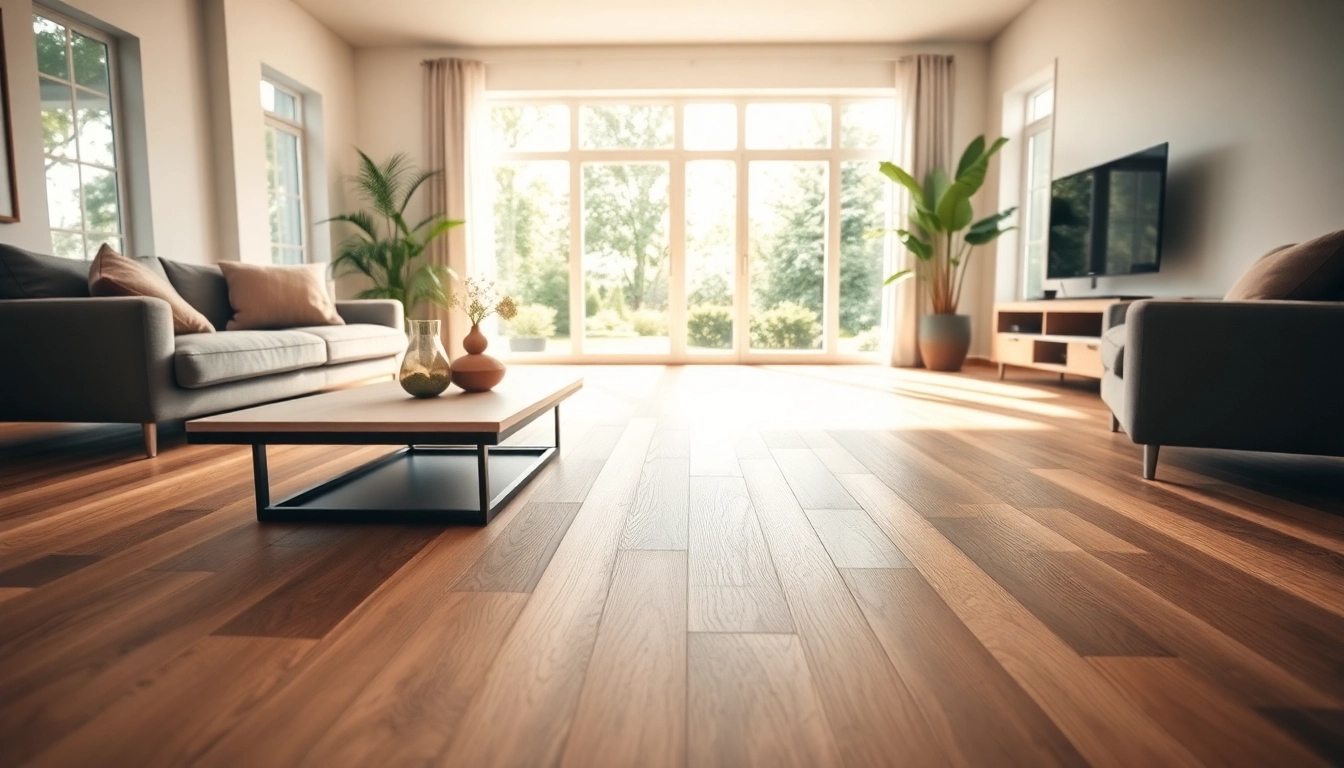
Understanding Vinyl Flooring
What is Vinyl Flooring?
Vinyl flooring is a popular synthetic flooring option made primarily from polyvinyl chloride (PVC) resin. Renowned for its versatility, vinyl flooring is available in a variety of styles, colors, and textures, making it suitable for virtually any space. Unlike traditional hardwood or tile options, it offers a delightful blend of aesthetics and practicality, often designed to mimic more expensive materials while remaining budget-friendly. This flooring solution is increasingly popular due to its ease of maintenance, durability, and moisture resistance. If you are looking to elevate your home, consider exploring vinyl flooring options.
Types of Vinyl Flooring Options
Vinyl flooring comes in several types, each offering unique characteristics and benefits. The main categories include:
- Sheet Vinyl: This type is a large, continuous sheet that can cover the entire floor space in a single piece, reducing seams and making it ideal for spaces like kitchens and bathrooms.
- Vinyl Plank Flooring: Designed to mimic hardwood, vinyl planks come in individual pieces that interlock or glue down, making them easy to install and replace.
- Vinyl Tile: These are square or rectangular tiles that can be arranged in various patterns, allowing for creative design options. They are often used to replicate the look of stone or ceramic.
- Luxury Vinyl Tile (LVT) and Luxury Vinyl Plank (LVP): These high-end options offer enhanced durability, realistic appearances, and thicker wear layers, making them suitable for high-traffic areas.
Benefits of Choosing Vinyl Flooring
Choosing vinyl flooring offers a multitude of advantages:
- Cost-Effective: Vinyl flooring often costs less than traditional flooring options. Its affordability allows homeowners to achieve the look of higher-end materials without breaking the bank.
- Durability: Vinyl is highly resistant to wear and tear, scratches, and dents. It can withstand heavy foot traffic, making it an ideal choice for families or busy commercial spaces.
- Water Resistance: Most vinyl flooring is waterproof or highly water-resistant, making it suitable for moisture-prone areas such as kitchens, bathrooms, and basements.
- Comfort: Vinyl flooring is softer underfoot, making it more comfortable to stand on for extended periods compared to harder surfaces like tile or hardwood.
- Easy Maintenance: Cleaning vinyl flooring is straightforward; regular sweeping and mopping with a gentle cleaner will keep it looking great. It doesn’t require waxing or polishing.
How to Choose the Right Vinyl Flooring
Evaluating Your Space
When contemplating vinyl flooring, start by evaluating the specific area where you intend to install it. Consider factors such as:
- Room Function: Determine whether it’s a high-traffic area, a moisture-prone space, or a more tranquil room, as this influences both the type and style of vinyl to choose.
- Subfloor Compatibility: Assess your current subfloor. Vinyl can often be installed over concrete, wood, or existing flooring, provided it is level and in good condition.
- Lighting Conditions: Consider the natural and artificial lighting of your space. A lighter color might enhance brightness in dim areas, while darker tones can add warmth and depth.
Consider Your Lifestyle Needs
Your lifestyle plays a crucial role in determining the most suitable vinyl flooring. Take the following into account:
- Foot Traffic: High-traffic areas, such as hallways or entryways, require durable options, such as LVP or LVT, with thicker wear layers to resist scratches.
- Pets: If you have pets, look for scratch-resistant options. Many vinyl products are designed to stand up to claws while remaining easy to clean.
- Children: Consider safety features like slip resistance. Vinyl is often a good choice for families, combining durability with comfort.
Exploring Color and Texture Choices
The aesthetic appeal of vinyl flooring can vary significantly based on color and texture. When selecting these elements, keep in mind:
- Style Consistency: Ensure the flooring complements the overall decor of your home or the specific room. Modern, rustic, or traditional styles can all be achieved with the right vinyl selection.
- Color Psychology: Colors can influence mood; for instance, warm colors foster a cozy atmosphere, while cool tones can create a serene and spacious feel.
- Texture Variation: Textured vinyl can add depth and realism, particularly in styles replicating natural materials like wood or stone. Consider whether a smoother or more textured surface fits your needs better.
Installation Tips for Vinyl Flooring
Pre-Installation Preparation
Prior to installation, preparation is key to achieving optimal results:
- Acclimatization: Allow your vinyl flooring to acclimate to the room temperature for at least 48 hours before installation. This helps prevent expansion or contraction post-installation.
- Site Preparation: Clean and level the existing subfloor. Remove any debris, nails, or protrusions to ensure a smooth surface for installation.
- Proper Tools and Materials: Gather all necessary tools, including a utility knife, straight edge, tape measure, and any adhesives or underlayment required for the specific vinyl type.
Step-by-Step Installation Guide
The installation process can vary slightly based on the vinyl type, but here is a general guide for planks and tiles:
- Measure Your Space: Calculate the area to determine how much vinyl you’ll need. Purchase extra material to account for cuts.
- Cut the Planks or Tiles: Utilize a utility knife and straight edge to cut vinyl to the desired sizes, particularly around corners and edges.
- Apply Adhesive (if necessary): For glue-down options, apply adhesive to the subfloor according to manufacturer instructions.
- Place the Vinyl: Begin placing the vinyl planks or tiles from one corner of the room, ensuring you stagger the seams for an authentic look.
- Press and Finish: Apply pressure evenly across the newly laid vinyl to ensure proper adhesion. Follow up with trimming any excess along edges and installing transitions as necessary.
Common Mistakes to Avoid
Avoid these common pitfalls to ensure a successful installation:
- Neglecting Acclimatization: Failing to acclimate the flooring can result in gaps or buckling.
- Poor Subfloor Preparation: Not properly cleaning and leveling your subfloor can cause uneven surfaces and weaken adhesive bonds.
- Ignoring Manufacturer Instructions: Each product has specific installation guidelines, which should be followed closely to ensure warranty coverage and optimal performance.
Maintaining Your Vinyl Flooring
Daily Care and Cleaning Tips
Regular maintenance keeps your vinyl flooring looking new:
- Daily Sweeping: Remove dirt, dust, and debris using a broom or a soft vacuum attachment on a vacuum cleaner.
- Routine Mopping: Clean with a damp mop and a gentle detergent designed for vinyl flooring. Avoid harsh chemicals that can cause damage.
- Welcome Mats: Place mats at entry points to minimize dirt and moisture from being tracked onto the flooring.
Dealing with Scratches and Scuffs
While vinyl is durable, it’s not immune to scratches. To manage them effectively:
- Buff Light Scratches: Use a soft cloth and a small amount of baking soda to buff out lightweight scratches.
- Cover Deeper Scratches: Consider using a color-matched flooring repair kit specifically designed for vinyl to blend and cover deeper scratches.
- Preventative Measures: Using furniture pads under heavy items can significantly reduce the risk of scratches.
Long-Term Maintenance Practices
For longevity, consider these long-term strategies:
- Refinish When Needed: If your vinyl flooring starts to look dull, consult a professional about refinishing options.
- Control Humidity: Keep indoor humidity at moderate levels to prevent moisture-related issues, particularly in high-moisture areas.
- Periodic Deep Cleaning: Once a year, conduct a deep clean by using steam cleaning or a machine specifically designed for vinyl flooring.
Frequently Asked Questions about Vinyl Flooring
Is vinyl flooring waterproof?
Yes, vinyl flooring is highly water-resistant, making it ideal for kitchens and bathrooms.
How long does vinyl flooring last?
Quality vinyl flooring can last 10-20 years, depending on maintenance and usage.
Can I install vinyl flooring over existing floors?
Yes, vinyl can be installed over most existing flooring types, but proper preparation is essential.
How do I remove stains from vinyl flooring?
Use a mild soap solution and mop to clean. Tough stains may require specialized vinyl cleaners.
Is vinyl flooring eco-friendly?
While it is not 100% natural, many vinyl flooring options are made from recyclable materials and are low in VOCs.