
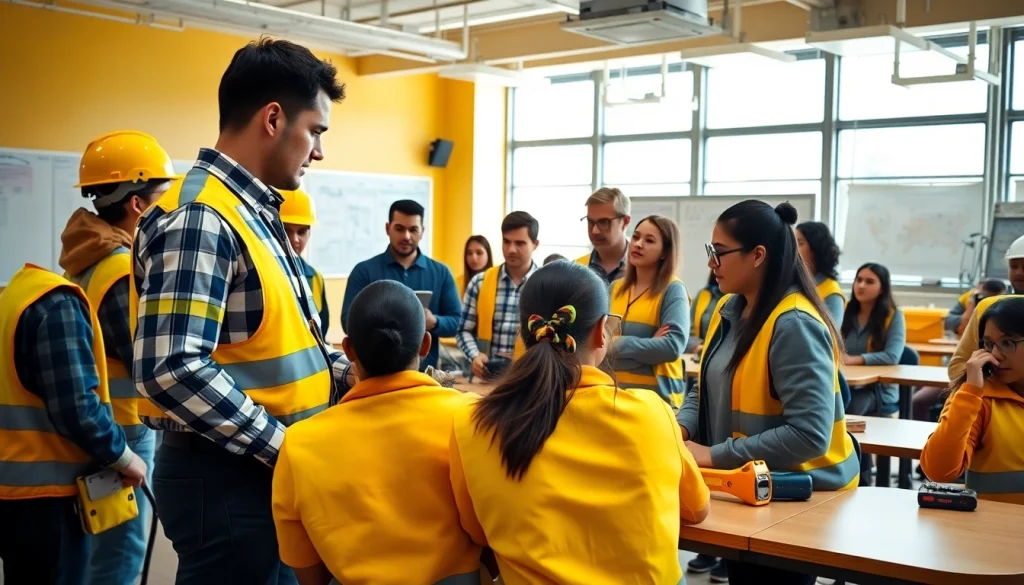

Understanding the Importance of Construction Training
In the ever-evolving construction industry, a solid foundation of knowledge and skills is imperative for success. This is where construction training comes into play, serving not just as a prerequisite for employment but as a catalyst for improved productivity and safety. Let’s delve deeper into why construction training is essential and how it shapes both workers and businesses alike.
Defining Construction Training
Construction training encompasses various educational and practical programs designed to equip workers with the skills and knowledge necessary to perform their jobs safely and effectively. This training can range from foundational courses that cover basic safety protocols to advanced training in specialized areas such as project management, construction technology, and regulatory compliance.
Key Benefits for Workers and Employers
Investing in construction training has multifaceted benefits:
- Enhanced Safety: Proper training significantly reduces the risk of accidents on-site, ensuring a safer work environment.
- Skill Development: Workers gain practical skills that enhance their competence and job performance.
- Increased Efficiency: Trained employees tend to be more efficient, leading to faster completion times and cost savings.
- Career Advancement: Continuous education allows workers to progress in their careers, increasing job satisfaction and retention.
Industry Standards and Regulations
Compliance with industry standards and regulations is essential in construction. Training programs are often aligned with guidelines set forth by organizations such as OSHA (Occupational Safety and Health Administration) and various state and local regulatory bodies. These regulations ensure that construction practices safeguard not only the workers but also the public and the environment.
Essential Skills Covered in Construction Training
The comprehensive skill set a construction worker acquires through training is indispensable. Here are some essential skills that are covered:
Basic Safety Practices
Construction is inherently risky, making safety training crucial. Key areas include:
- Understanding personal protective equipment (PPE) usage
- Safety protocols for working at heights
- Fire safety measures
- Emergency response procedures
Technical Proficiencies and Certifications
Workers can also obtain certifications in specialized areas such as:
- OSHA 10-hour and 30-hour certifications
- Forklift operation
- First aid and CPR
Certifications enhance job prospects and demonstrate a commitment to professionalism and safety.
Soft Skills and Communication Techniques
Besides technical skills, soft skills play a vital role in construction training. Communication, teamwork, and problem-solving are essential for efficient project execution. Training in these areas fosters collaboration among diverse teams, leading to improved project outcomes.
Innovative Methods in Delivering Construction Training
Modern training approaches utilize innovative methods that cater to diverse learning preferences. Here are some effective strategies:
Hands-On Learning Techniques
Practical, hands-on experience is essential in construction training. Real-world simulations and on-site training enable workers to apply theoretical knowledge in practical situations. This experiential learning reinforces skills and prepares workers for real challenges.
Utilization of Technology in Training
Advancements in technology have transformed training methodologies. Virtual reality (VR) and augmented reality (AR) can provide immersive training experiences where learners can practice skills without risks. Online training platforms allow flexibility and accessibility, catering to various schedules and learning paces.
Collaborative Learning Environments
Encouraging peer-to-peer learning through group projects and team challenges fosters collaboration and shared learning experiences. Collaborative tasks simulate real project dynamics, helping workers understand the importance of team coordination in achieving project goals.
Measuring the Effectiveness of Construction Training
To ascertain the value of training programs, organizations must implement evaluation methods to measure effectiveness. The following components are integral to this assessment:
Setting Clear Objectives and Goals
Establishing specific, measurable objectives at the outset provides a framework for evaluating training success. These objectives guide training content, ensuring relevance to workers’ roles and industry demands.
Feedback Mechanisms for Continuous Improvement
Gathering feedback from trainees post-training is vital for understanding its impact. Surveys and evaluations can capture insights on content effectiveness and areas needing enhancement.
Real-World Application Assessment
Evaluating how well trainees apply newfound skills on the job is a concrete measure of success. Observing performance post-training can provide valuable data about training effectiveness and overall impact on productivity.
Challenges in Construction Training and Solutions
While the benefits of construction training are clear, challenges persist. Addressing these issues is crucial for optimizing training programs:
Addressing Skill Gaps in the Workforce
One significant challenge is the existing skill gap in the workforce. Organizations can overcome this by tailoring training programs to focus on critical skill shortages, ensuring that employees acquire the necessary competencies to thrive.
Overcoming Resistance to New Training Methods
Resistance to adopting new training methods can hinder progress. Engaging workforce perspectives in the design of training programs encourages buy-in and highlights the benefits of evolving practices.
Funding and Resources Allocation
Budget constraints can limit the availability of high-quality training resources. Seeking partnerships with educational institutions or industry associations can provide innovative solutions and resource-sharing opportunities to enhance training quality.
FAQs
What is construction training?
Construction training refers to educational programs that equip workers with essential skills and knowledge for safe and effective job performance in the construction industry.
Why is safety training necessary in construction?
Safety training is critical to reduce the risk of accidents, protect workers’ health, and comply with legal regulations, creating a safer work environment.
How can technology enhance construction training?
Technology enhances construction training through virtual reality experiences, online training modules, and interactive simulations that reinforce learning through practical application.
What skills are taught in construction training programs?
Construction training programs cover safety practices, technical proficiencies, soft skills, communication techniques, and even industry-specific certifications.
How can training effectiveness be measured?
Training effectiveness can be measured through feedback surveys, assessment of skill application on the job, and achieving predefined training objectives and goals.